Home → Products → Lifting Equipment → Chain Hoists
Lifting Magnets
Our range includes permanent and electro-permanent lifting magnets for handling steel plates, bars, blocks, machined components and other ferromagnetic materials.
Carl Stahl Evita supplies lifting magnets in a range of capacities and configurations, with solutions available for horizontal and vertical handling and different load shapes.
Lifting Magnets for Efficient Material Handling
Lifting magnets are designed to provide a secure and efficient way of lifting and moving ferromagnetic materials without the need for slings, chains or mechanical clamps.
Our range includes permanent and electro-permanent lifting magnets, with solutions available for handling steel plates, bars, blocks, machined components and other suitable ferromagnetic materials.
Carl Stahl Evita supplies lifting magnets in a range of capacities and configurations to suit different loads, lifting requirements and working environments.
Whether you need a lifting magnet for occasional material handling or a solution for regular industrial use, our team can help you identify suitable equipment for your application.
Safe & Reliable
Efficient Material Handling
Easy to Operate
Permanent & Electro-Permanent Lifting Magnets
Lifting magnets are available in different designs to suit the material being handled, required capacity and lifting application.
Permanent lifting magnets use a permanent magnetic system to hold the load without requiring an external power supply during lifting. They are available for handling flat and round ferromagnetic materials and are particularly suited to workshops, fabrication, manufacturing and general material handling.
Electro-permanent lifting magnets combine electrical activation with permanent magnetic holding force. The magnet can be activated and released using electrical control, while the load remains held by permanent magnetic force during lifting. This makes them suitable for demanding and repetitive industrial handling applications.
Different models are also designed around specific load types, including flat material, round material, series parts and cuttings, allowing the magnet to be matched more closely to the application.
Carl Stahl Evita can supply a much wider range of lifting magnets than those currently featured on this page. If you have a specific material, load or capacity requirement, speak to our team about the available options.
Working Load Limit
Choose a lifting magnet with a suitable working load limit for the load being lifted. The rated capacity must not be exceeded, and the actual lifting capacity can vary depending on the material and conditions.
Material & Surface
Lifting magnets are designed for ferromagnetic materials. Consider the material being lifted as well as the condition and cleanliness of the contact surface, as these can affect magnetic performance.
Load Shape & Thickness
Consider whether the load is flat, round or another shape, along with its thickness and available contact area. Different magnets are designed for different load configurations.
Operating Conditions
Consider the lifting direction, operating temperature and working environment. Different lifting magnets have different operating limits and are designed for specific lifting configurations.
Our Lifting Magnets
Our range includes permanent lifting magnets and electro-permanent lifting magnets, with solutions available for lifting flat and round materials across a variety of industrial applications.
Explore the lifting magnets we currently offer below, or contact our team if you require a different capacity or configuration. We can help identify a suitable solution based on your load, material and lifting requirements.
Need help choosing the right chain hoist?
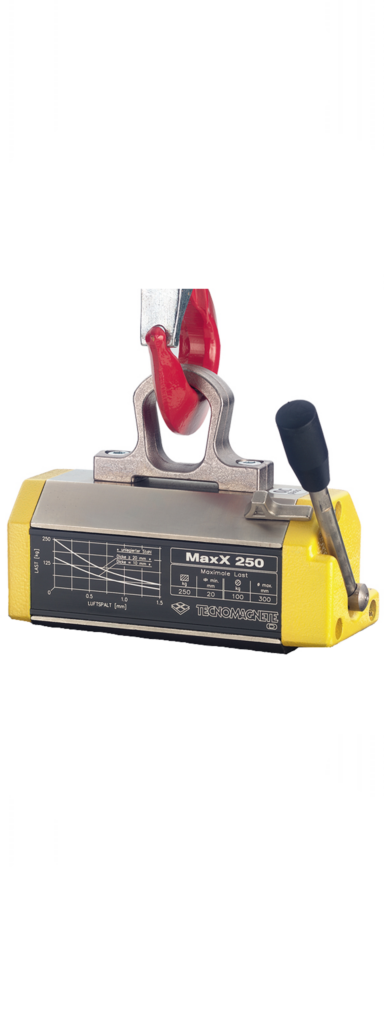
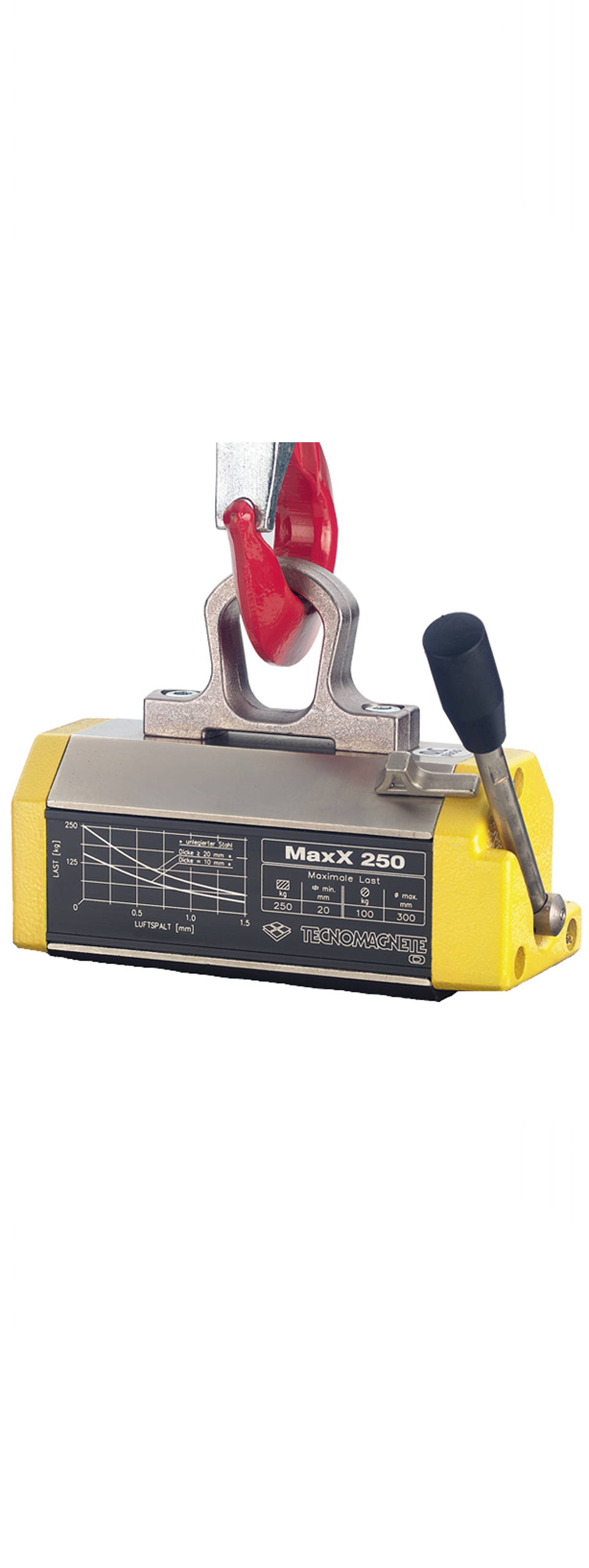
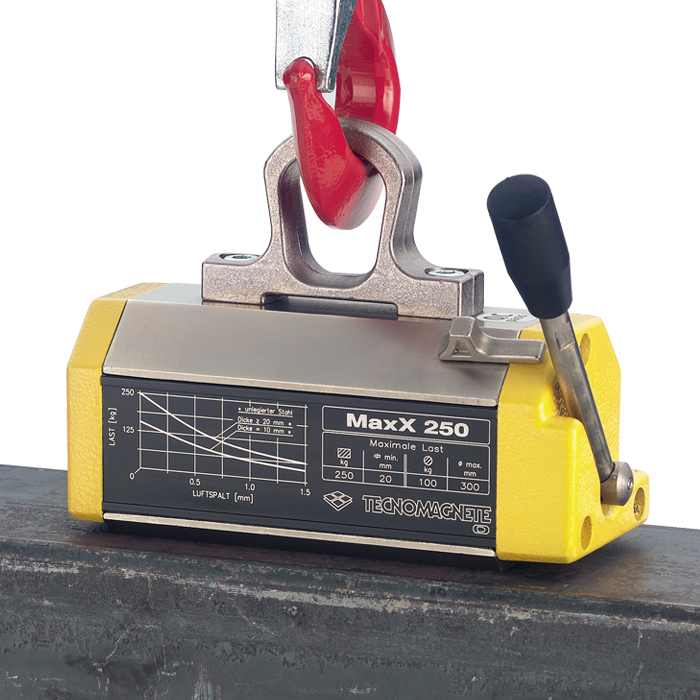
Permanent lifting magnet type maxX
- 125 kg – 2,000 kg working load limits
- Suitable for flat and round materials
- High load capacity for industrial applications
- Safety locking device on operating lever
- Integrated prism holder for cylindrical loads
- Compact and robust construction
- Large bolt-on hook mounting eye
- Individually tested and supplied with test certificate

Permanent lifting magnet type maxX TG
- 150 kg – 300 kg working load limits
- Designed for thin plates and thin-walled pipes
- Suitable for flat and round materials
- Prismatic base for round material handling
- WLL for round material is at least 50% of flat material capacity
- Break-away force of at least 3 times the rated capacity
- Easy-moving operating lever with safety lock
- Compact and sturdy construction

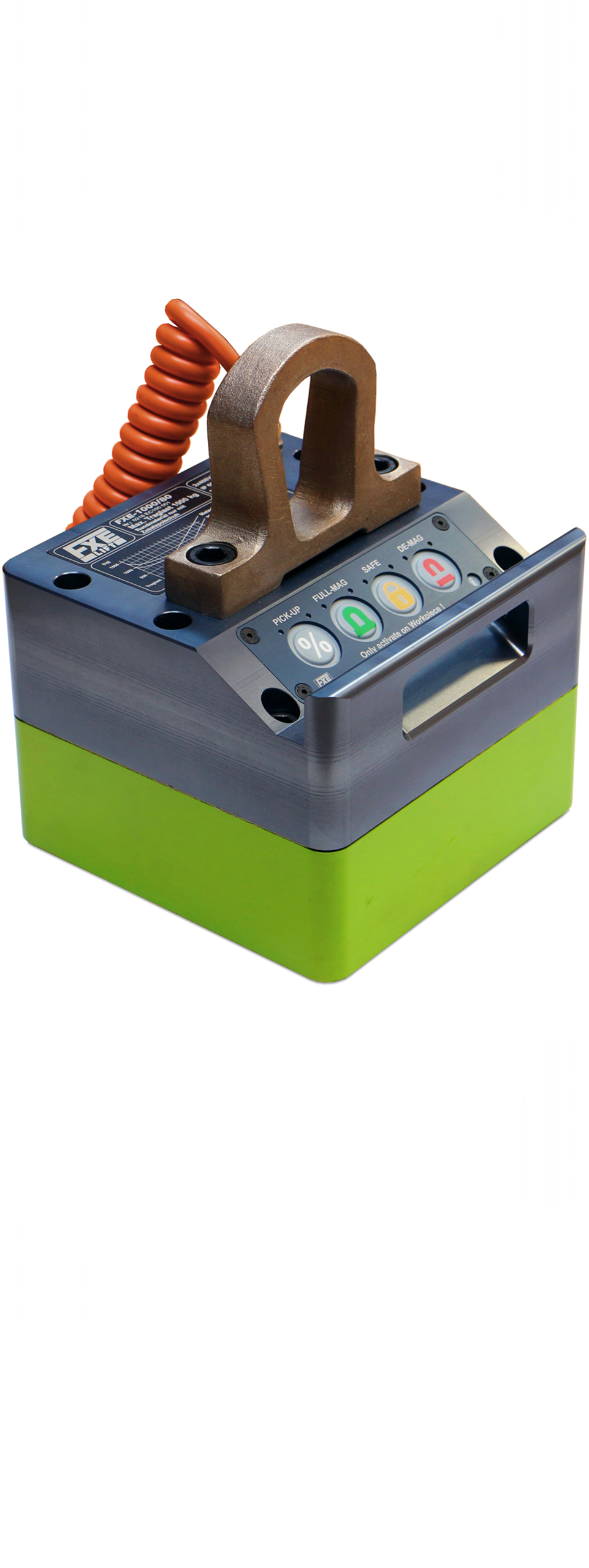
FX Universal Permanent Lifting Magnet
- 150 kg – 3,000 kg working load limits
- Suitable for flat and round materials
- Handles both thin materials and larger air gaps
- Compact and robust construction
- 90° switching travel for quick operation
- Large forged crane eye
- One-hand, recoilless operation
- Safety factor of 3.5
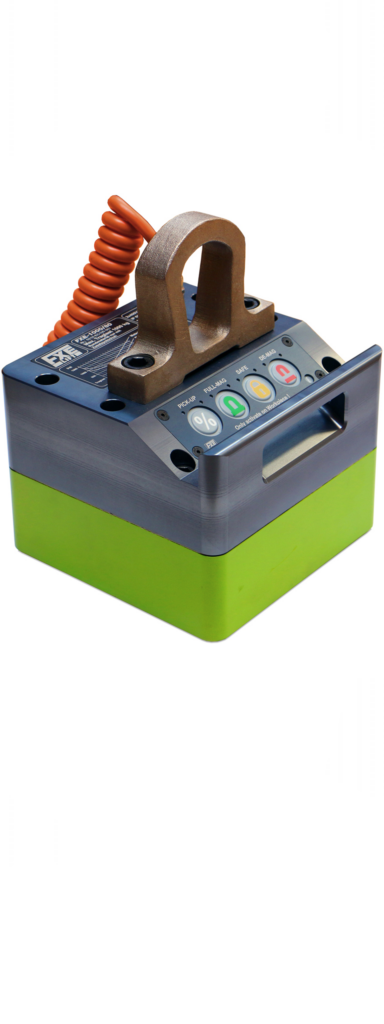
Lifting Magnets in Special Configurations
- Custom-configured FXE electro-permanent lifting magnets
- Special pole shoes for different load shapes and surfaces
- Solutions for profiles, pipes, rings and sleeves
- Long and specialised pole configurations available
- Custom handles and operating arrangements
- Options for specialised lifting and positioning requirements
- Individual solutions designed around the application
- Suitable for specialist industrial lifting applications
Download technical information
Not sure which chain hoist you need?
Stock and delivery
CAN'T FIND WHAT
YOU'RE LOOKING FOR?
What is a Lifting Magnet?
Lifting magnets are widely used across steel fabrication, machining, manufacturing, warehousing and material handling, where efficient handling of steel components and materials is required. Different magnet designs are available for flat and round materials, as well as applications involving thinner steel sections.
Permanent lifting magnets generate their holding force using permanent magnets and do not require an external power supply during lifting. Some specialist models, such as electro-permanent magnets, use electrical power to activate and release the magnetic system while maintaining their holding force between electrical operations.
The suitability and lifting capacity of a magnet depends on factors including the material being lifted, material thickness, load shape, contact surface and required working load limit. These factors should be considered when selecting a lifting magnet for a particular application.
Carl Stahl Evita supplies a range of lifting magnets for different industrial applications, from compact solutions for thinner materials through to higher-capacity magnets for heavier steel components.
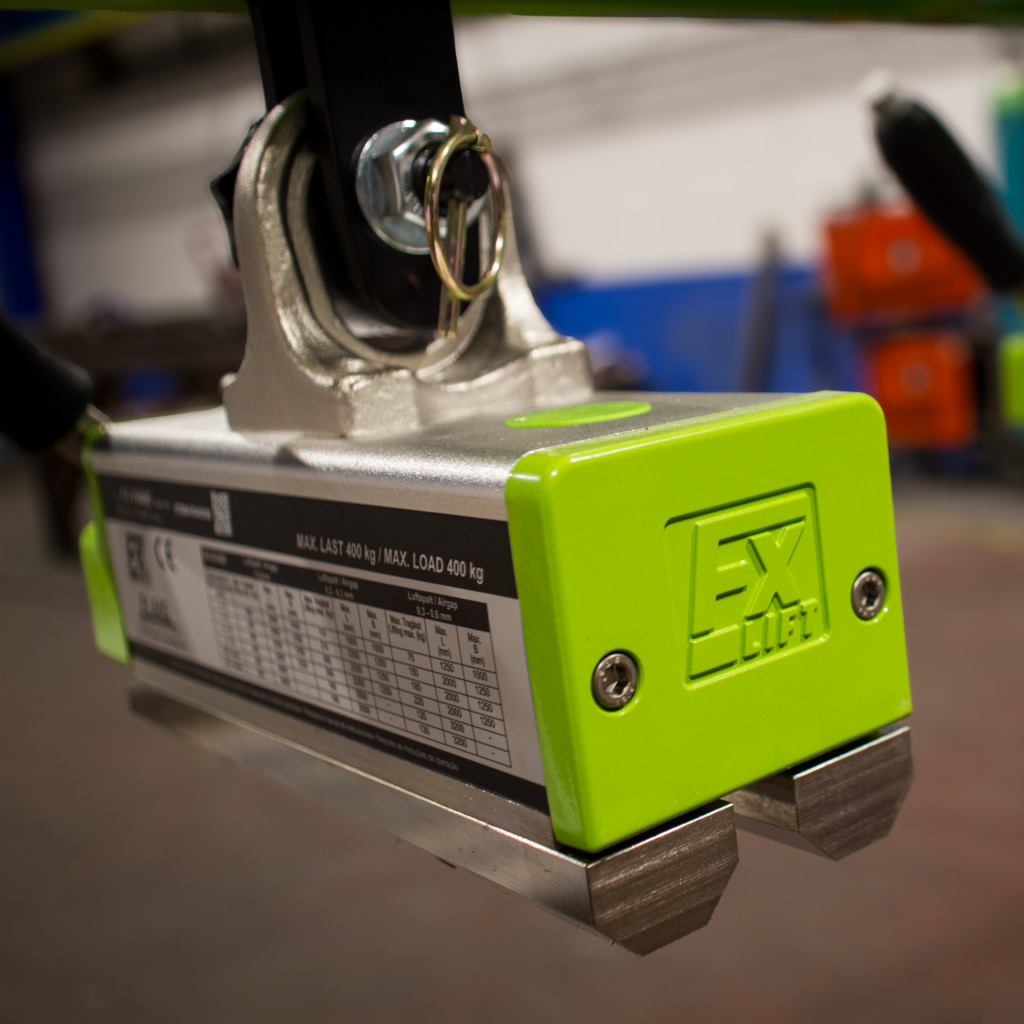
Choosing the Right Lifting Magnet
Permanent Magnets
Electro-Permanent Magnets
Material & Application
Capacity & Frequency of Use
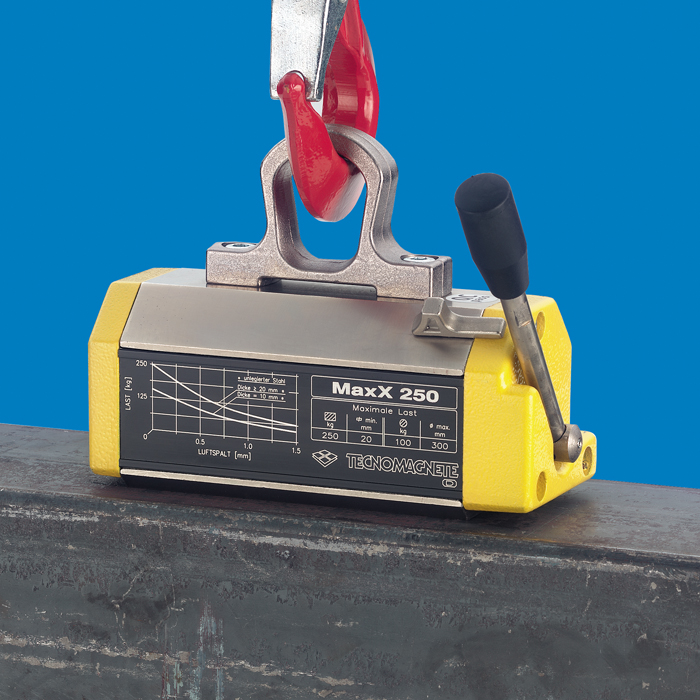
Permanent and Electro-Permanent Lifting Magnets
Permanent lifting magnets use a permanent magnetic system and require no external power supply during lifting. They are a practical solution for handling steel plates, blocks, round bars and other ferromagnetic materials in workshops, fabrication facilities, warehouses and production environments.
Electro-permanent lifting magnets, such as the Flaig FXE range, use electrical control to magnetise and demagnetise the lifting system, while permanent magnetic force holds the load during the lifting operation. This makes them particularly useful for repetitive industrial handling, production processes and applications where controlled load engagement and release are important.
There are also specialist configurations for particular load shapes and materials. The FXE range includes designs for thin sheet metal, profiles, tubes, bars, round materials and heavy-duty applications, with customised solutions available for unusual geometries and lifting requirements. Flaig
Carl Stahl Evita can provide a much wider range of lifting magnets than those currently featured on this page. If you have a specific load or application, speak to our team about the most suitable solution.
Typical Uses for Lifting Magnets
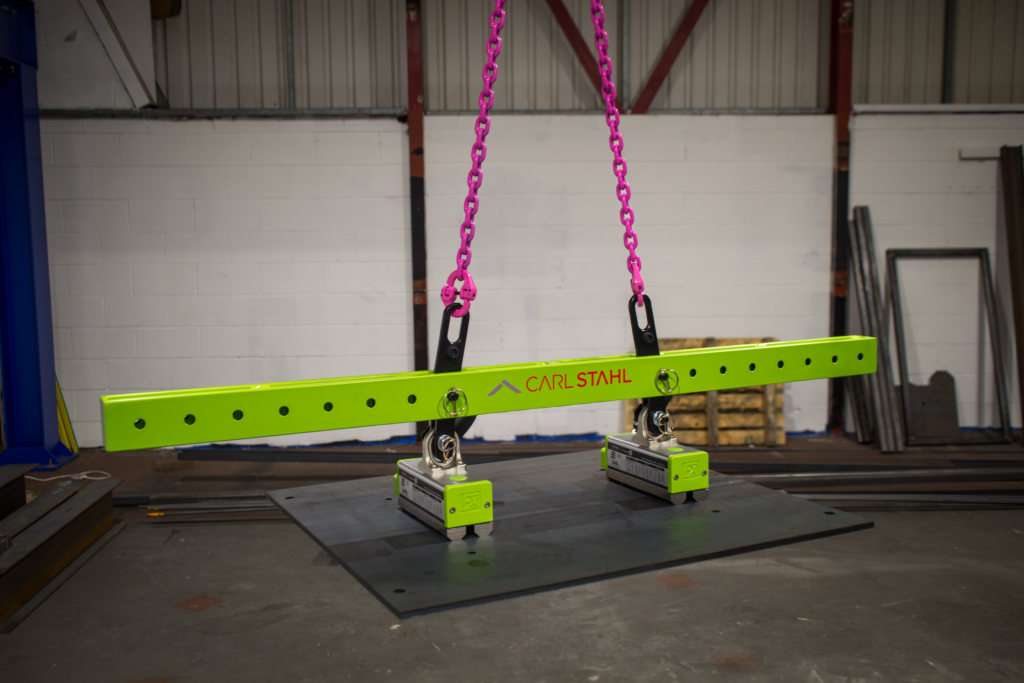
Steel Fabrication
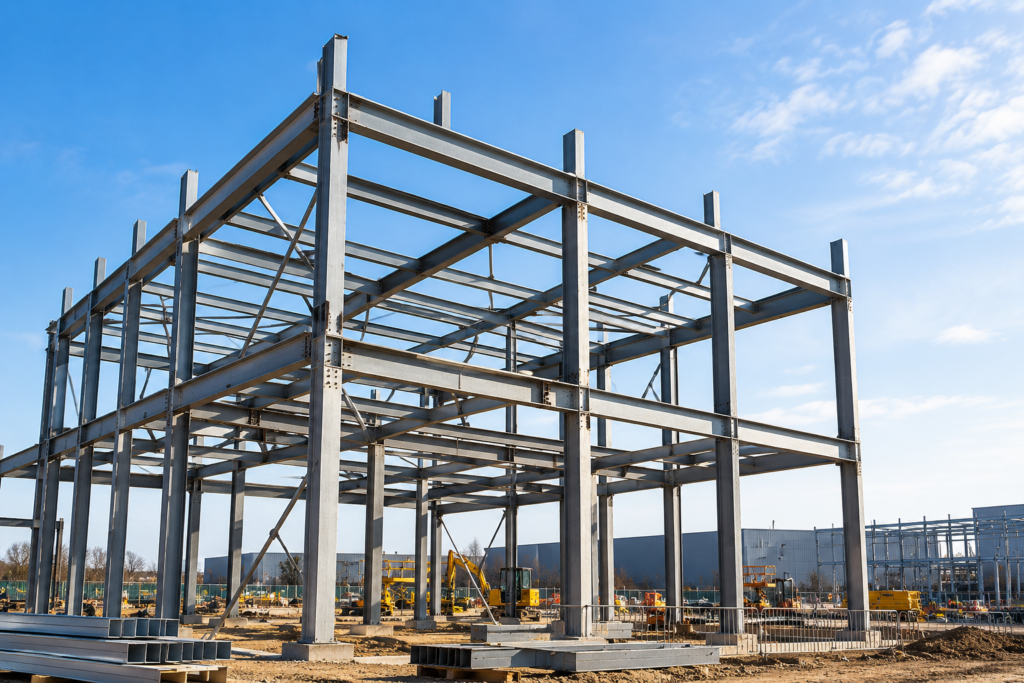
Construction
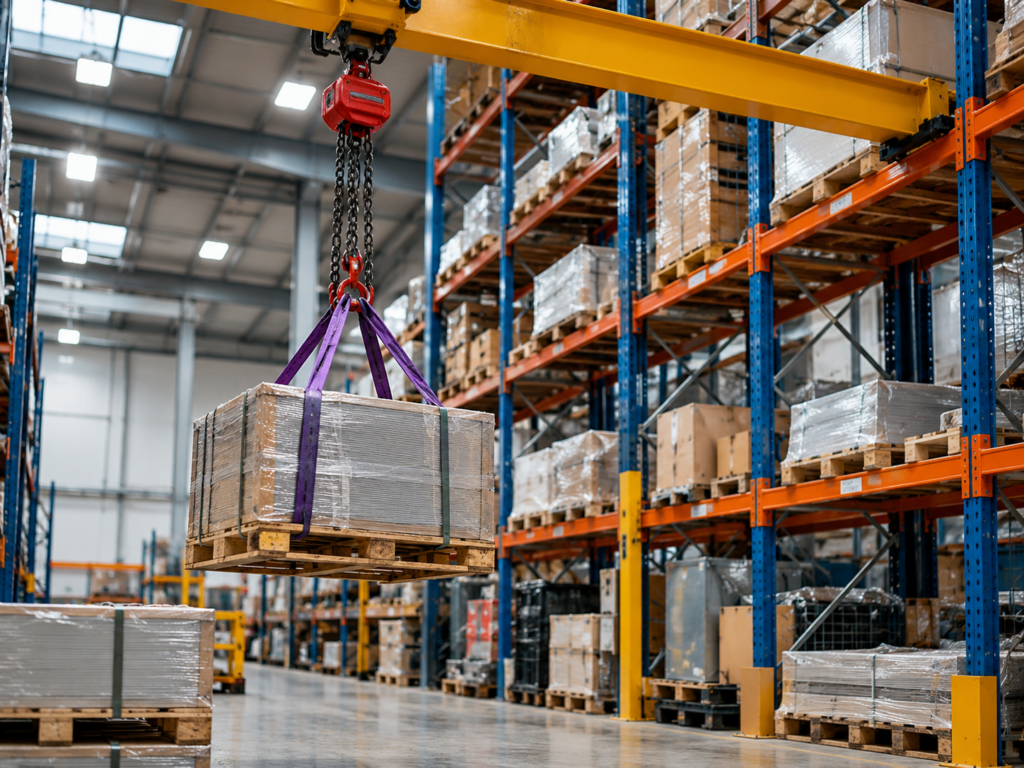
Warehousing & Material Handling
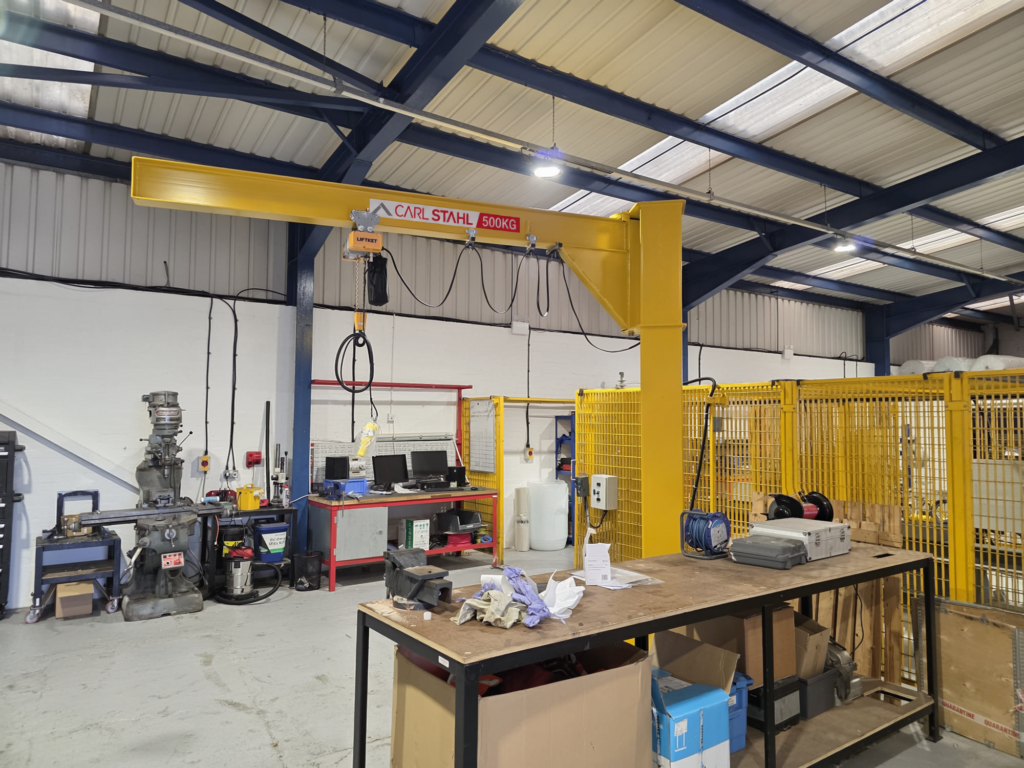
Manufacturing
Frequently Asked Questions
1. What materials can lifting magnets be used on?
Lifting magnets are designed for ferromagnetic materials, particularly steel. They are not suitable for non-magnetic materials such as aluminium, copper or many grades of stainless steel. The suitability of the material should always be confirmed before lifting.
2. What is the difference between permanent and electro-permanent lifting magnets?
Permanent lifting magnets generate their magnetic holding force without an external power supply, making them well suited to flexible and mobile lifting applications. Electro-permanent magnets use electrical power to magnetise and demagnetise the system, while permanent magnetic force holds the load during lifting. They are particularly useful for repetitive or process-based lifting operations.
3. How much weight can a lifting magnet lift?
The lifting capacity depends on the specific magnet and the characteristics of the load. Material thickness, material type, surface condition, air gap, load geometry and lifting position can all affect the achievable capacity. The manufacturer’s rated capacity must always be followed.
4. Can lifting magnets be used to lift round materials?
Yes. Certain lifting magnets are specifically designed for round materials such as bars, tubes and shafts, while some universal magnets can handle both flat and round loads. The diameter and shape of the load must be within the magnet’s specified operating range.
5. Can lifting magnets be used on thin steel sheets?
Yes, but the magnet must be suitable for the material thickness. Specialist models are available specifically for thin sheet metal and tubes, while the lifting capacity of standard magnets can reduce significantly with thinner material. Always check the manufacturer’s capacity for the actual material thickness being lifted.
6. Do lifting magnets require a power supply?
Permanent lifting magnets do not require an external power supply during lifting. Electro-permanent lifting magnets require electrical power to magnetise and demagnetise the unit, but the permanent magnetic system holds the load without continuous power during the lift.
7. Does the condition of the load surface affect a lifting magnet?
Yes. Rust, paint, dirt, scale, uneven surfaces and air gaps can reduce the effective holding force of a lifting magnet. For optimum performance, the magnet should be positioned on a clean, flat and suitable contact surface wherever possible.
8. How do I choose the right lifting magnet?
The correct magnet depends on the weight and material of the load, material thickness, load shape, contact surface, lifting configuration and frequency of use. Permanent magnets are often suitable for straightforward, mobile lifting, while electro-permanent solutions can be advantageous for repetitive industrial handling and controlled load engagement. Our team can help identify a suitable magnet for your application.