Home → Products → Lifting Equipment → Chain Hoists
Lifting Slings
We supply lifting slings in a wide range of materials, configurations and working load limits to suit different loads and lifting applications. Our range includes chain slings, wire rope slings, webbing slings, roundslings and specialist textile sling solutions.
From general-purpose lifting through to demanding industrial applications, we can help you select the right sling based on the load, lifting arrangement, working environment and required working load limit.
Lifting Slings for Different Lifting Applications
Lifting slings provide a secure connection between a load and lifting equipment, allowing materials and components to be lifted, moved and positioned efficiently.
Different sling materials and configurations offer different advantages depending on the load, lifting environment and application. Chain slings provide robust solutions for demanding lifting operations, while wire rope, webbing and roundslings offer different combinations of strength, flexibility and load protection.
Our range includes single-leg and multi-leg configurations, as well as adjustable and specialist solutions for specific lifting requirements.
Wide Range of Sling Types
Different Configurations
Suitable for Different Loads
Lifting slings are available in a variety of materials and configurations, each offering different characteristics for handling particular loads and working environments.
Chain Slings
Robust and durable lifting solutions for heavy loads and demanding industrial applications. Chain slings are available in different grades and leg configurations.
Wire Rope Slings
Strong and flexible slings suitable for heavy-duty lifting and applications where durability and resistance to abrasion are important.
Webbing Slings
Lightweight and flexible polyester slings that can provide good load protection, making them suitable for handling painted, polished or otherwise sensitive loads. carlstahl.com
Roundslings
Flexible textile slings that can conform closely around loads and provide a versatile solution for general lifting applications.
Specialist Textile Slings
Specialist solutions, including textile chain slings and bridle configurations, for applications where reduced weight, flexibility or specific connection arrangements are required.
Choosing the Right Lifting Sling
1. Working Load Limit
Choose a sling with a suitable working load limit (WLL) for the load being lifted. The required capacity depends on the load weight, sling configuration and lifting method.
2. Sling Type
Consider the material and construction of the sling. Chain, wire rope and textile slings each offer different characteristics for strength, flexibility, durability and load protection.
3. Lifting Configuration
Consider whether a single-leg, two-leg, four-leg, endless or other sling configuration is required. The lifting angle and method of attachment can also affect the sling’s rated capacity.
4. Load & Environment
Consider the shape, weight and surface of the load, as well as the operating environment. Abrasion, sharp edges, temperature, chemicals and other conditions may influence the most suitable sling type.
Our Lifting Slings
Whether you need a robust sling for heavy industrial lifting, a flexible textile solution or a configured multi-leg sling, we can help you select the right option for your application.
Explore our lifting slings below, or contact our team for advice on selecting the right sling based on your load, lifting configuration and working environment.
Need help choosing the right lifting sling?
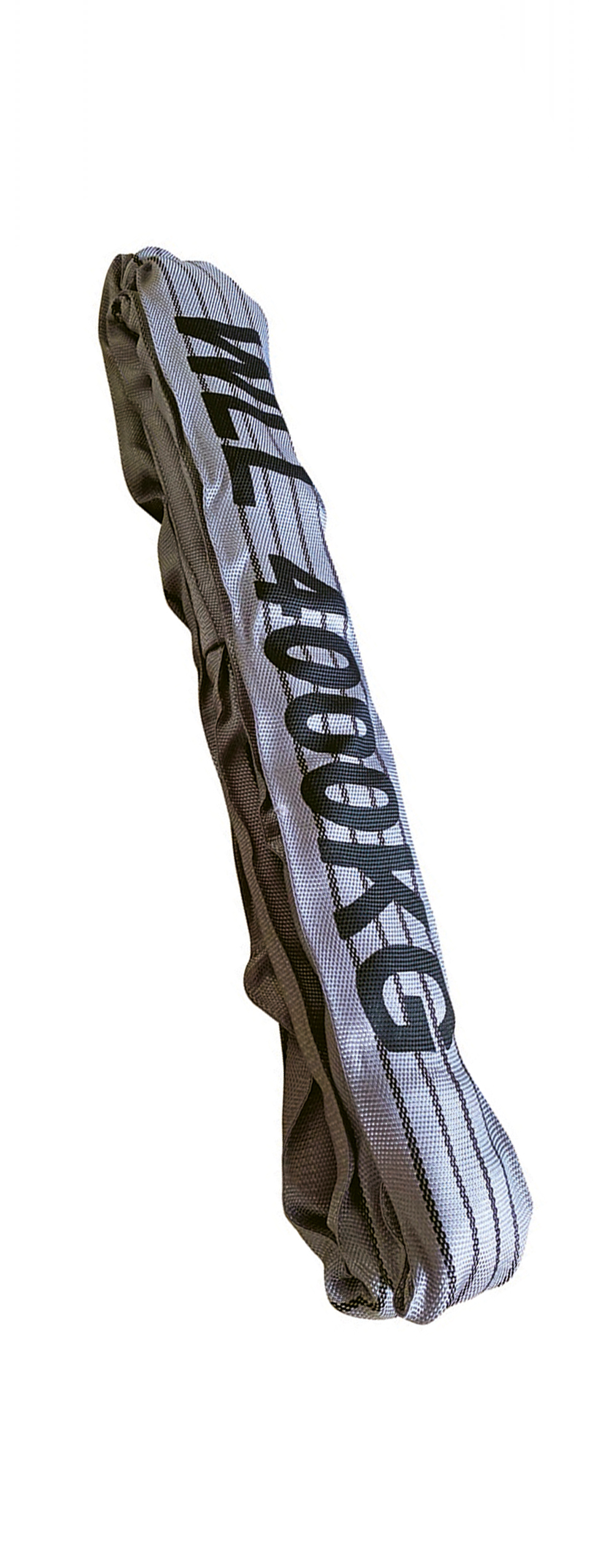
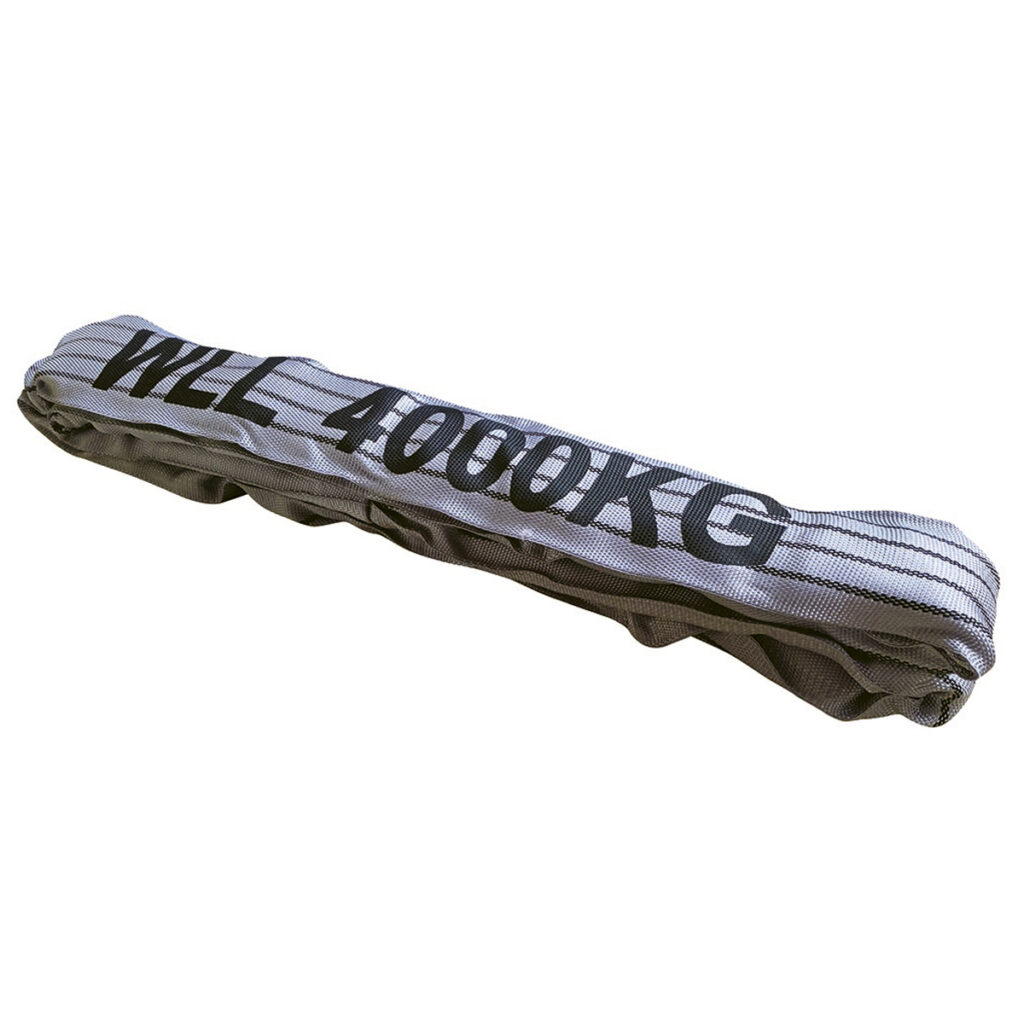
Round Slings
Available in a range of working load limits and lengths for different lifting applications.
- 1t – 120t working load limits
- High-strength polyester fibre construction
- Seamless woven tubular protective sleeve
- Lightweight and flexible design
- Adapts to the shape of the load
- Suitable for heavy and delicate loads
- Colour-coded for easy capacity identification
- Clearly marked working load limit
- Available in multiple effective working lengths from 0.5m
- Manufactured in accordance with BS EN 1492-2
- 7:1 safety factor
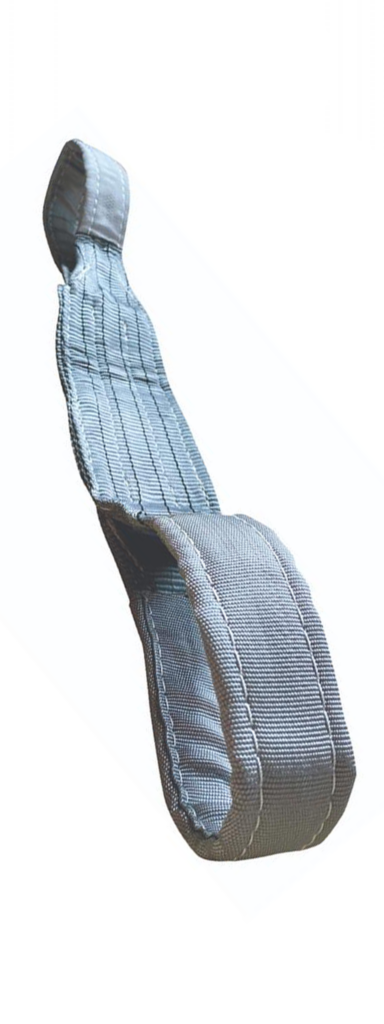
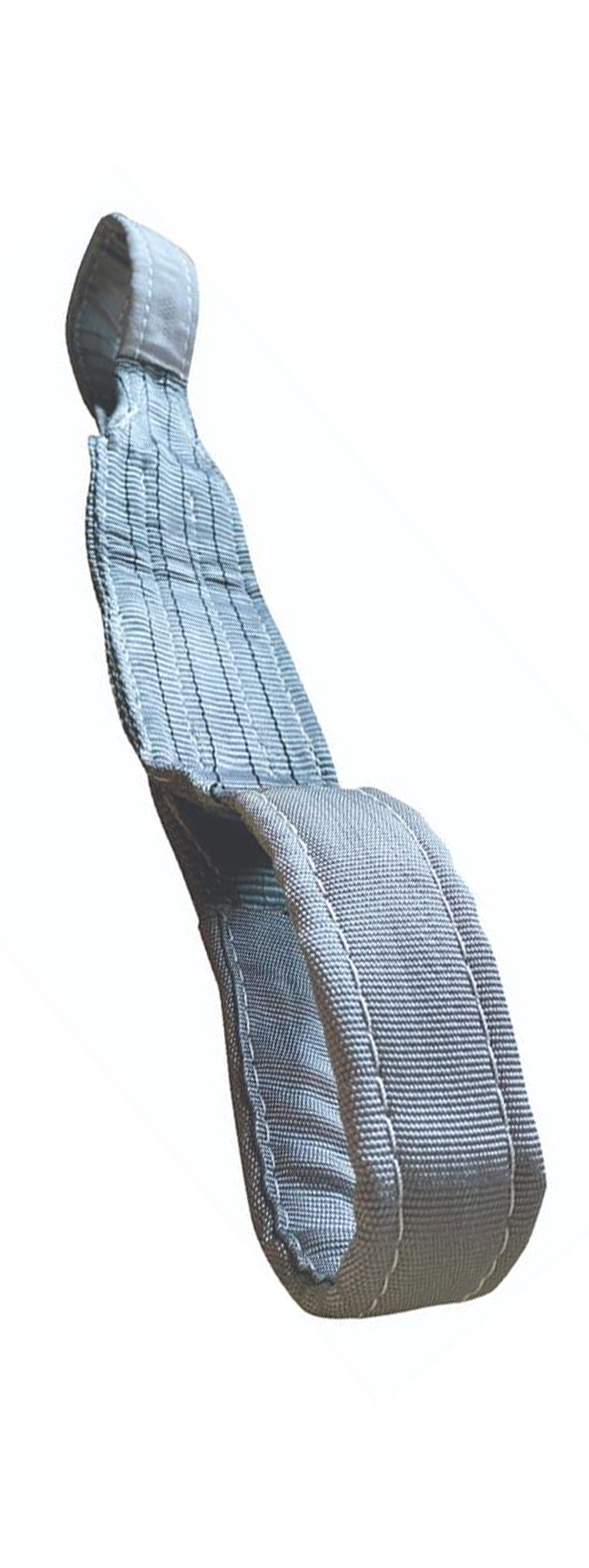
Webbing Slings
Available in a range of working load limits and lengths, the flat webbing construction helps distribute the load evenly, while reinforced eyes provide additional durability for demanding lifting applications
- 1t – 40t working load limits
- Product range manufactured from high-quality polyester
- Lightweight and flexible construction
- Suitable for delicate and irregularly shaped loads
- Flat webbing construction for even load distribution
- Reinforced lifting eyes
- Resistance to abrasion and UV rays
- Colour-coded for easy capacity identification
- Available in effective working lengths from 0.5m
- Manufactured to BS EN 1492-1
- 7:1 safety factor
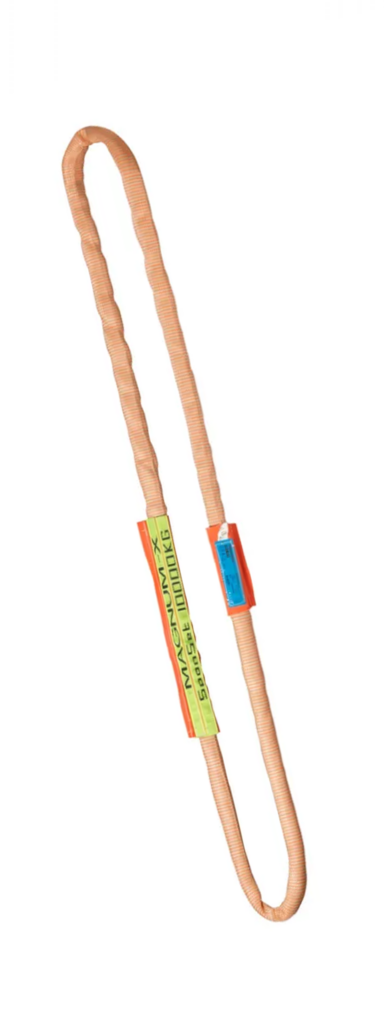
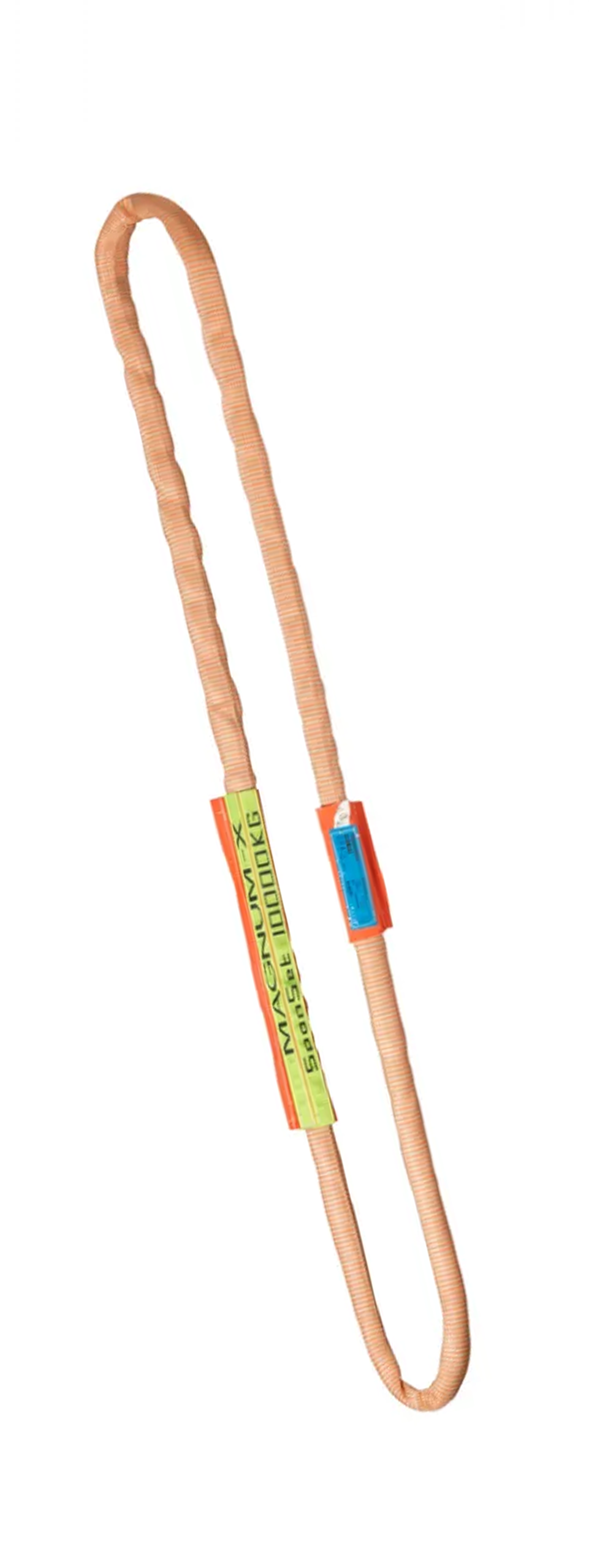
SpanSet Magnum-X Roundsling
- 5 t – 450 t working load limits across the range
- Specific product: 10 t WLL × 4 m length
- Item number: 2002763
- High-performance polyester construction
- Extremely robust and compact design
- Up to 50% slimmer than comparable heavy-duty round slings
- Suitable for small crane hooks and lifting points
- RFID transponder for storing product data
- Tear-resistant label with protective cover
- Signal-coloured load capacity indication
- 7:1 safety factor
- Manufactured to EN 1492-2:2000
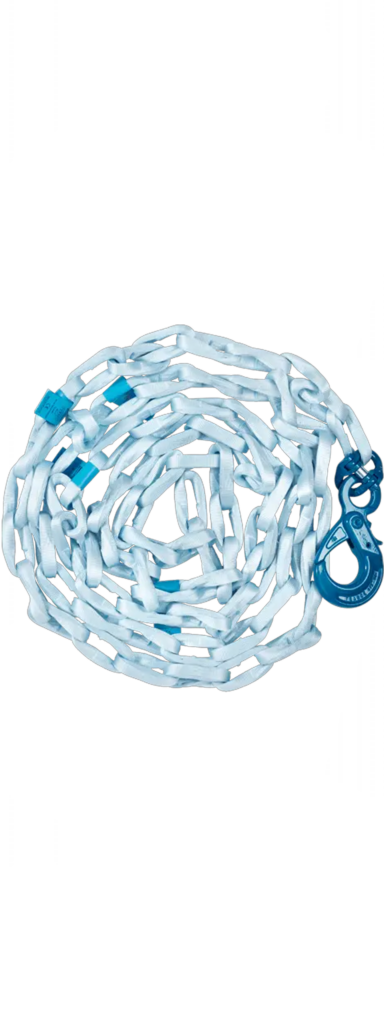
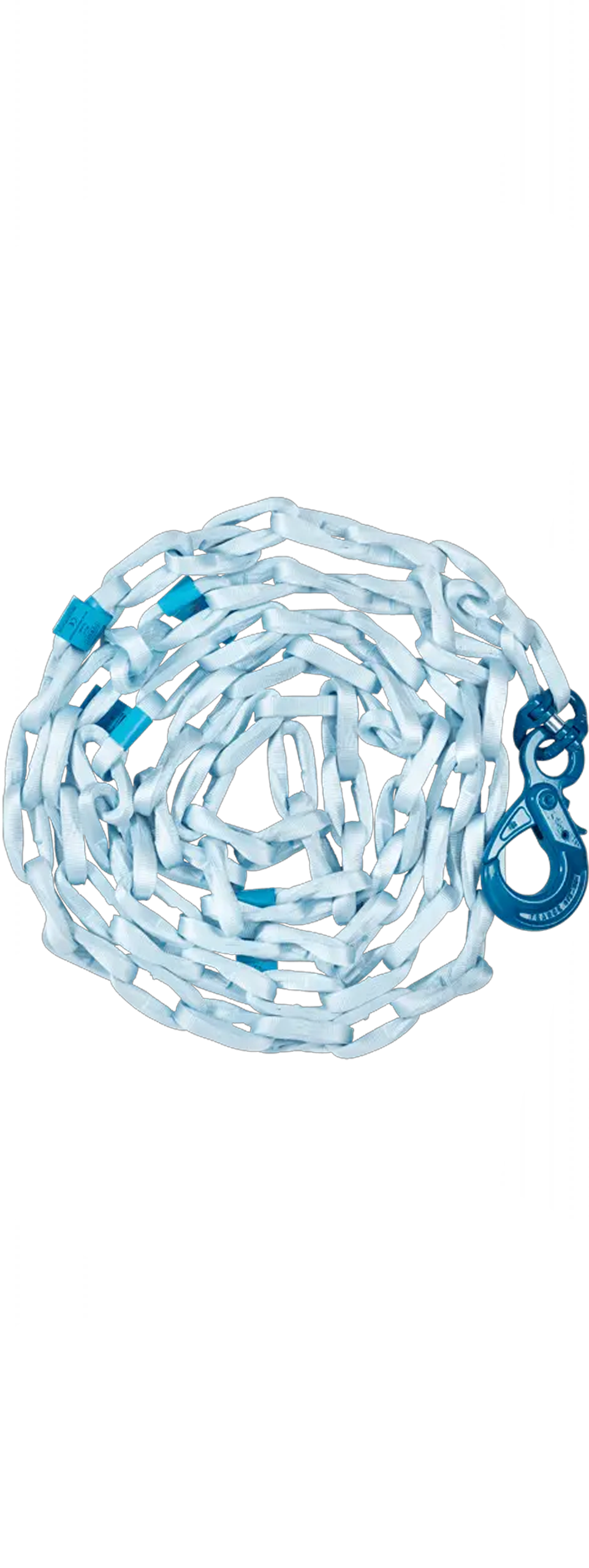
Green Pin® Tycan® Lifting Chain
- 2.6 t – 10.3 t working load limits
- Made from 100% Dyneema® fibre
- Up to eight times lighter than comparable steel chain
- Soft construction helps minimise load damage
- Non-corrosive and non-conductive
- Completely waterproof and UV resistant
- Highly resistant to oils, grease and many chemicals
- Less than 5% linear elongation at MBL
- Working temperature from -40°C to +70°C
- MBL = 4 × WLL
- DNV type approved for lifting
Download technical information
Not sure which Lifting Sling you need?
Stock and delivery
CAN'T FIND WHAT
YOU'RE LOOKING FOR?
What is a Lifting Sling?
Chain Slings
Chain slings are manufactured from high-strength steel chain and are designed for demanding lifting applications. They offer excellent durability and can be configured as single-leg or multi-leg assemblies, with hooks and other components selected to suit the application.
Wire Rope Slings
Wire rope slings provide a strong and flexible solution for lifting heavy loads. They are available in different constructions and configurations, making them suitable for industrial lifting where strength, flexibility and durability are important.
Webbing Slings
Webbing slings are lightweight and flexible, making them particularly useful for lifting delicate or irregularly shaped loads. Their soft polyester construction can help reduce the risk of surface damage while remaining easy to handle.
Roundslings
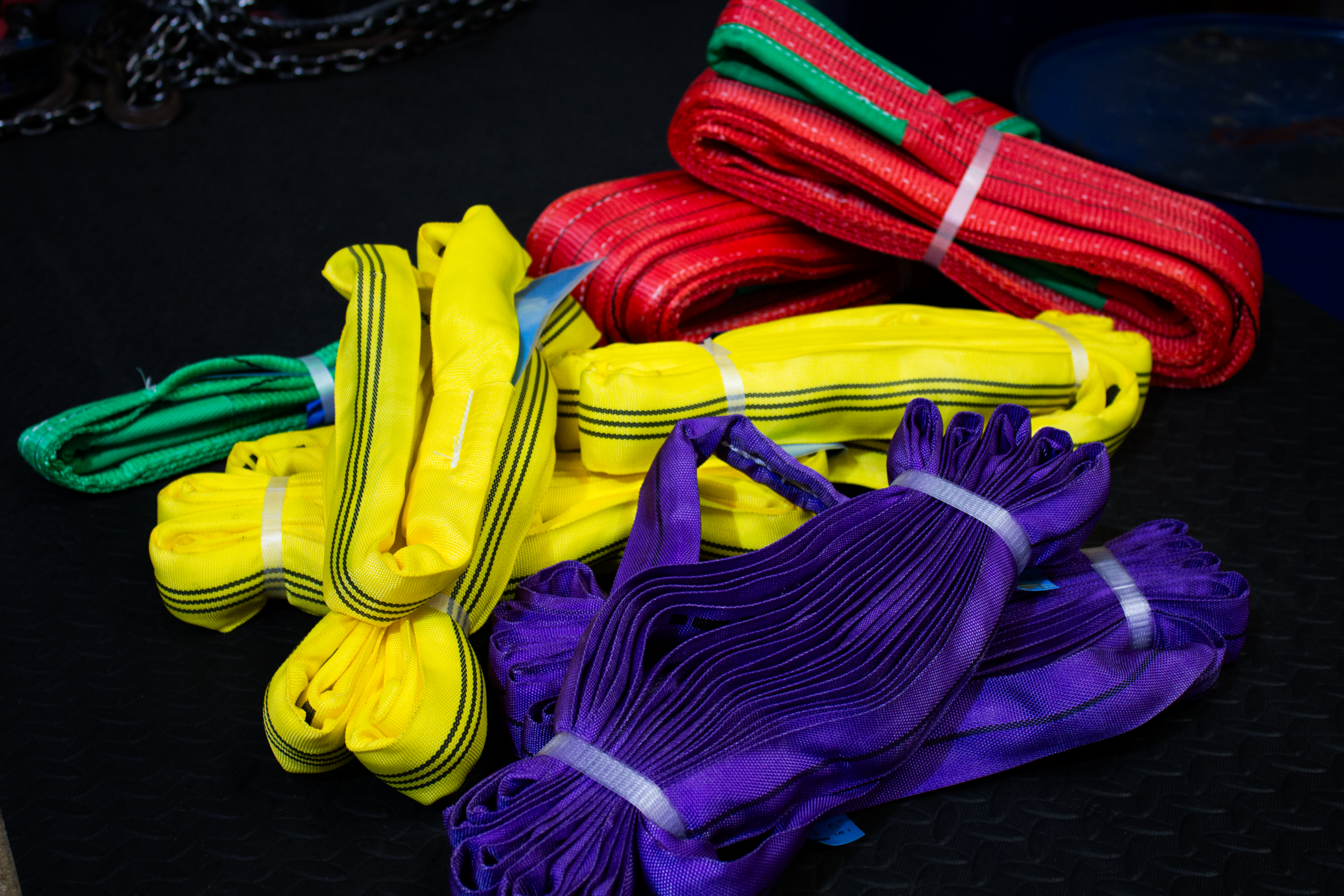
Roundslings consist of high-strength fibres enclosed within a protective outer sleeve. Their flexible construction allows them to conform around loads, providing a versatile solution for a wide range of lifting applications.
Textile Chain Slings
Textile chain slings provide a lightweight alternative to traditional steel chain slings. Made from high-strength synthetic fibres such as Dyneema®, they combine high lifting capacity with reduced weight and flexibility, making them useful where load protection and ease of handling are important.
Choosing the Right Lifting Sling
Working Load Limit
Sling Type
Configuration & Sling Angle
Load & Environment
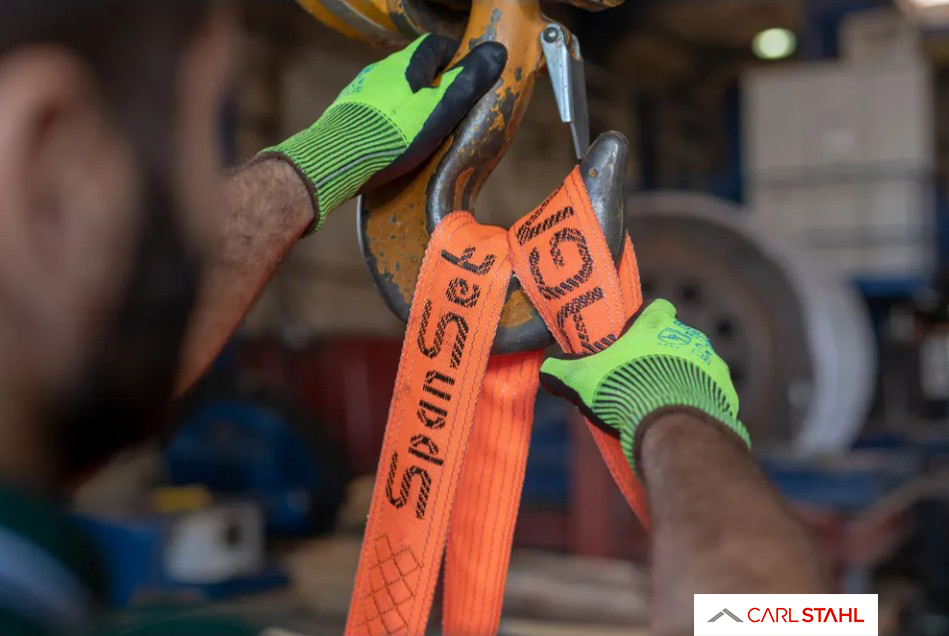
Configurations for Different Lifting Requirements
Single-Leg Slings
Single-leg slings provide a straightforward connection between the lifting equipment and the load. They are commonly used where a suitable lifting point is available and the load can be safely supported from a single connection.
Multi-Leg Slings
Two-, three- and four-leg sling assemblies can provide multiple connection points for larger or more complex loads. The number of legs, their angle and the distribution of the load must be considered when determining the appropriate WLL.
Endless & Choked Configurations
Endless slings can be used in different configurations, including basket and choke arrangements, providing flexibility when attaching to loads without dedicated lifting points. The rated capacity can vary depending on how the sling is configured.
Adjustable & Specialist Slings
Specialist sling arrangements can be configured for particular load shapes, dimensions or lifting requirements. These can include adjustable assemblies, bridle slings and solutions incorporating different hooks, links and other lifting components.
HSE guidance specifically highlights that sling angle affects the load carried by individual legs, while suitable packing may be required to protect slings from sharp edges.
Typical Uses for Lifting Slings
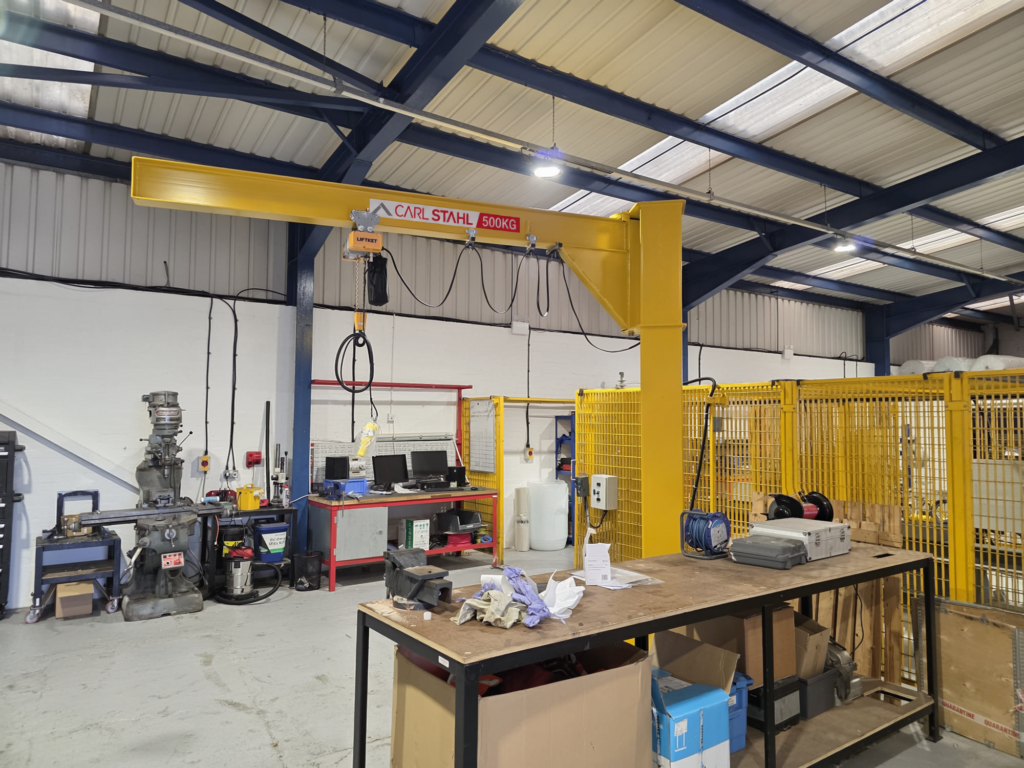
Manufacturing

Construction
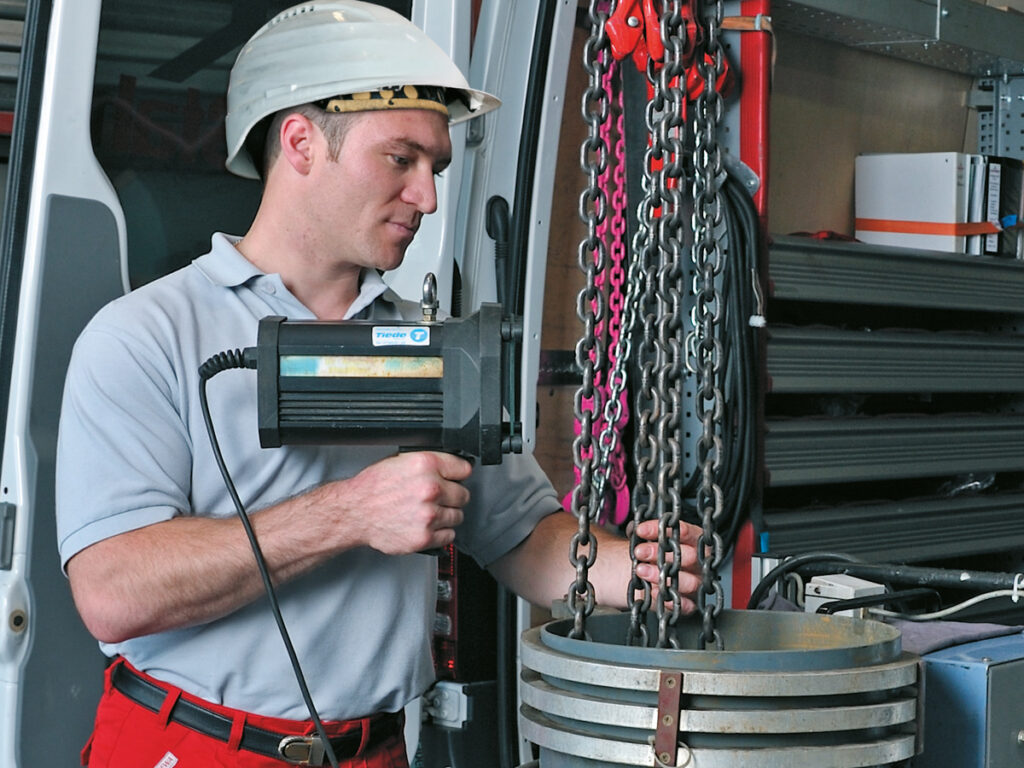
Maintenance
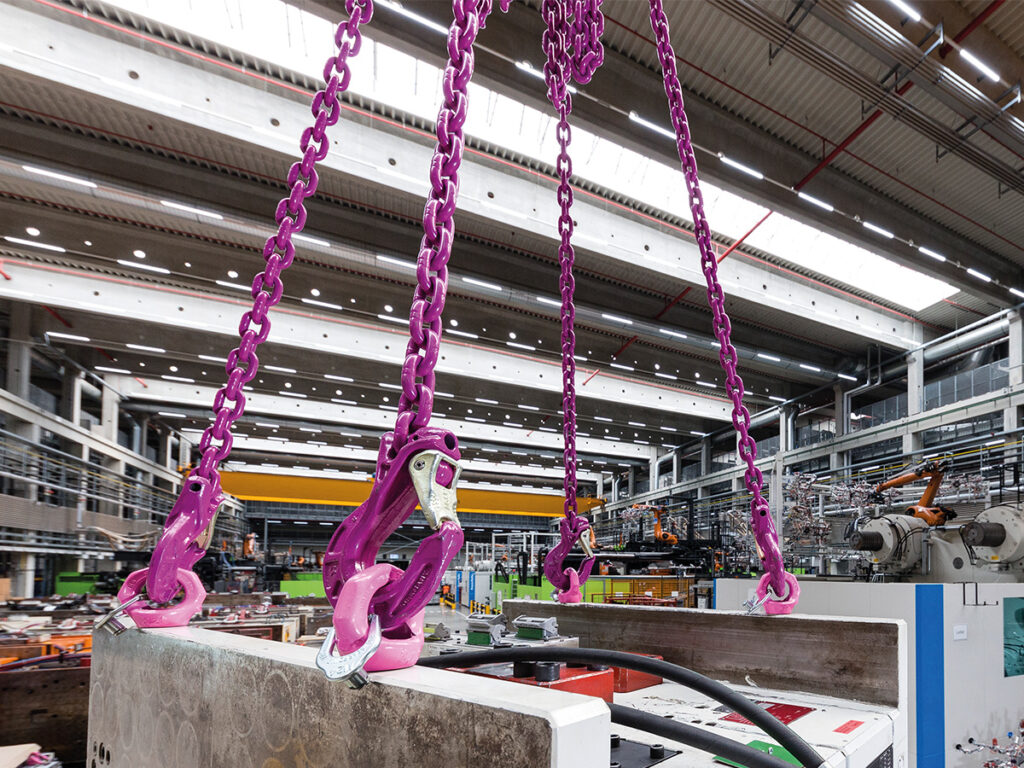
Material Handling
Frequently Asked Questions
1. What is a lifting sling used for?
A lifting sling is used to connect a load to a crane, hoist or other lifting equipment, allowing the load to be safely lifted, moved and positioned.
2. What types of lifting slings are available?
Common types include chain slings, wire rope slings, webbing slings and roundslings. The most suitable type depends on the load, required capacity, lifting configuration and working environment.
3. How do I choose the correct working load limit for a lifting sling?
The sling must have a suitable working load limit (WLL) for the load and the way it will be used. The lifting configuration, number of legs and sling angle can affect the capacity required.
4. How does sling angle affect lifting capacity?
As the angle between the legs of a multi-leg sling increases, the load carried by each sling leg also increases. The sling’s rated capacity must therefore be suitable for the actual lifting configuration and angle.
5. Can lifting slings be used around sharp edges?
Lifting slings can be vulnerable to damage from sharp edges. Suitable packing or edge protection should be used where necessary to prevent the load from damaging the sling.
6. How often should lifting slings be inspected?
Lifting slings should be checked before use and should be subject to thorough examination under LOLER at appropriate intervals. Lifting accessories are normally subject to thorough examination at intervals of no more than six months, unless an examination scheme specifies another interval.
7. How should lifting slings be stored?
Slings should be stored and maintained in a way that protects them from damage, contamination and conditions that could cause deterioration. Damaged or excessively worn slings should not be used.
8. How do I know which lifting sling is right for my application?
Consider the load’s weight, shape and surface, required WLL, lifting configuration, sling angle and working environment. If you’re unsure, our team can help you select a suitable sling for your lifting requirements.