EXOSKELETONS
Our ExoSkeleton Range
Four Solutions for Different Challenges
We offer a range of exoskeletons designed to support specific tasks and working environments.
Explore the options below to find the right solution for your application.
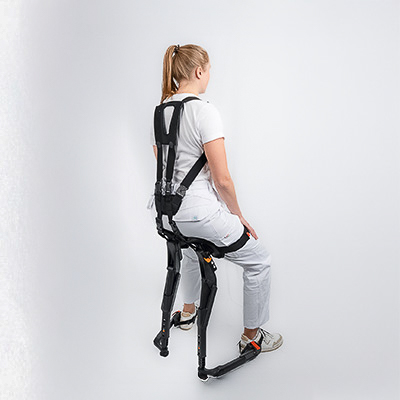
Chairless Chair 2.0
Standing and semi-seated work
Wearable support for prolonged standing and frequent transitions between standing, walking and supported sitting.
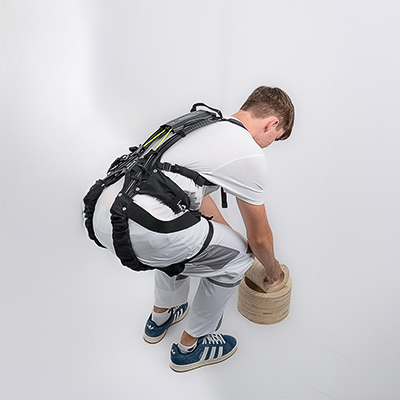
BionicBack
Back and lifting support
Passive back support for physically demanding tasks involving lifting, bending and repetitive manual handling.
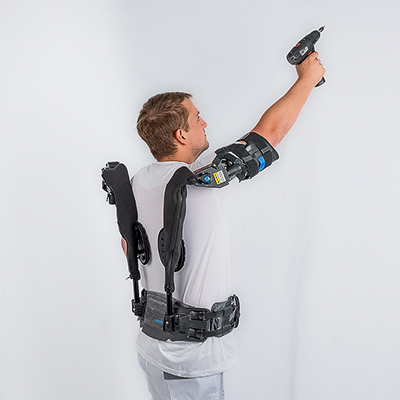
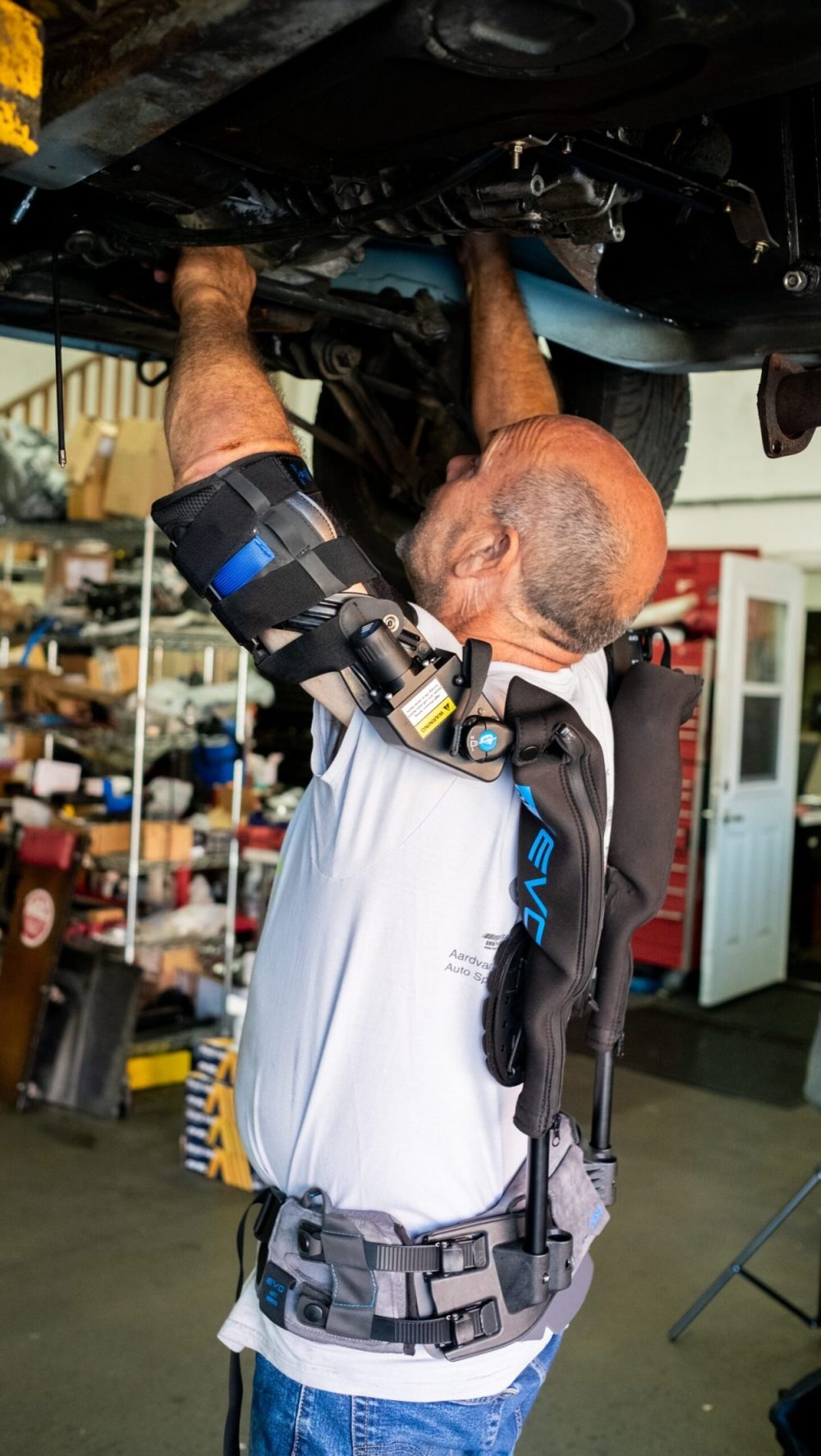
Ekso Evo
Overhead and upper-body support
Passive upper-body support for repetitive or sustained arm movements, particularly during overhead work.
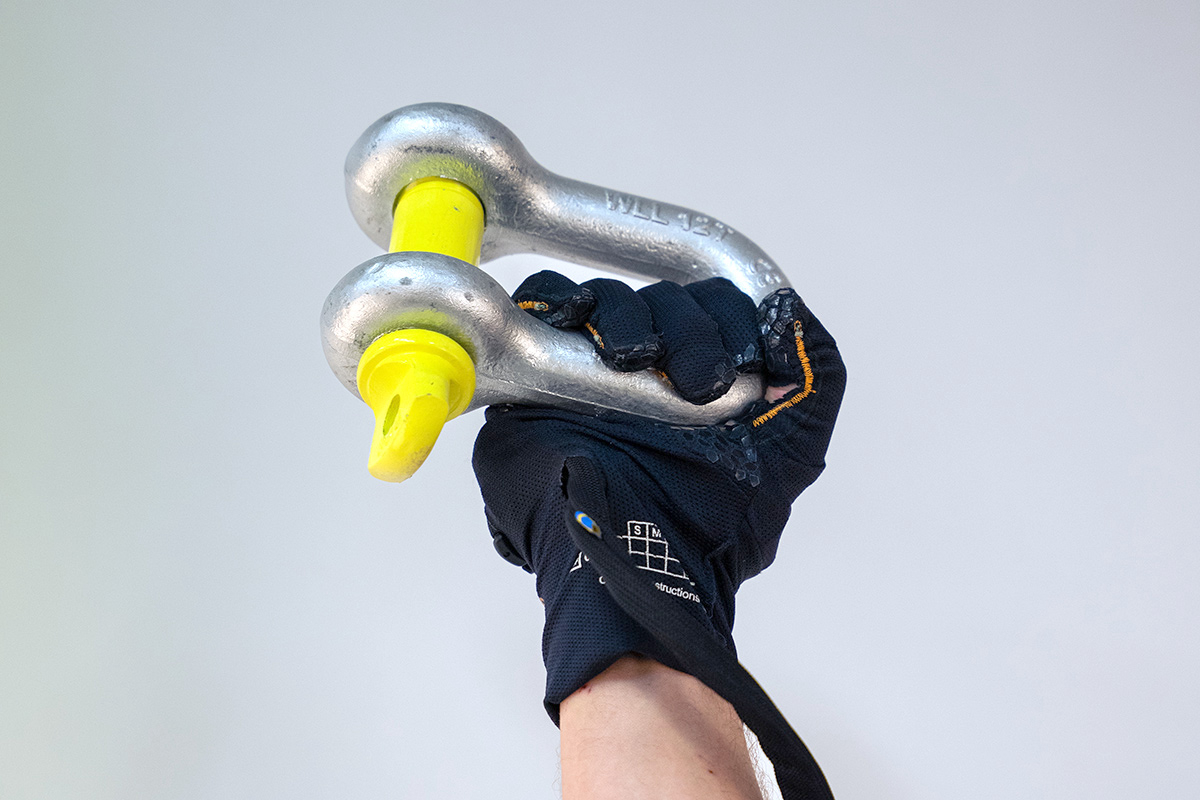
Ironhand
Grip assistance
Active grip assistance for repetitive, forceful or static gripping tasks, helping to reduce physical effort and fatigue.
Support Where Your Team Needs It Most
Lifting & Manual Handling
Support for tasks involving lifting, bending and repetitive manual handling.
Repetitive Gripping
Assistance for tasks requiring forceful, repetitive or sustained gripping.
Overhead Work
Support for repetitive or sustained tasks performed with the arms raised.
Prolonged Standing
Wearable support for roles involving long periods on your feet and frequent transitions between standing and supported sitting.
UNDERSTANDING EXOSKELETONS
What Are Exoskeletons?
Exoskeletons are wearable devices designed to provide targeted physical support during demanding or repetitive tasks. Worn over the body, they can help support specific movements, reduce physical strain and make physically challenging work more manageable.
Different exoskeletons are designed for different applications. Some provide passive support through mechanical systems such as springs and elastic elements, while others use powered technology to assist movement and gripping.
From repetitive lifting and manual handling to overhead work, gripping tasks and prolonged standing, choosing the right exoskeleton starts with understanding the physical demands of the job and the support required.
Targeted Physical Support
Designed to support specific areas of the body during physically demanding tasks and repetitive movements.
Passive and Active Systems
Passive devices use mechanical elements, while active systems use powered assistance to support movement or gripping.
Application-Led Selection
The right solution depends on the task, working environment, movements involved and level of support needed.
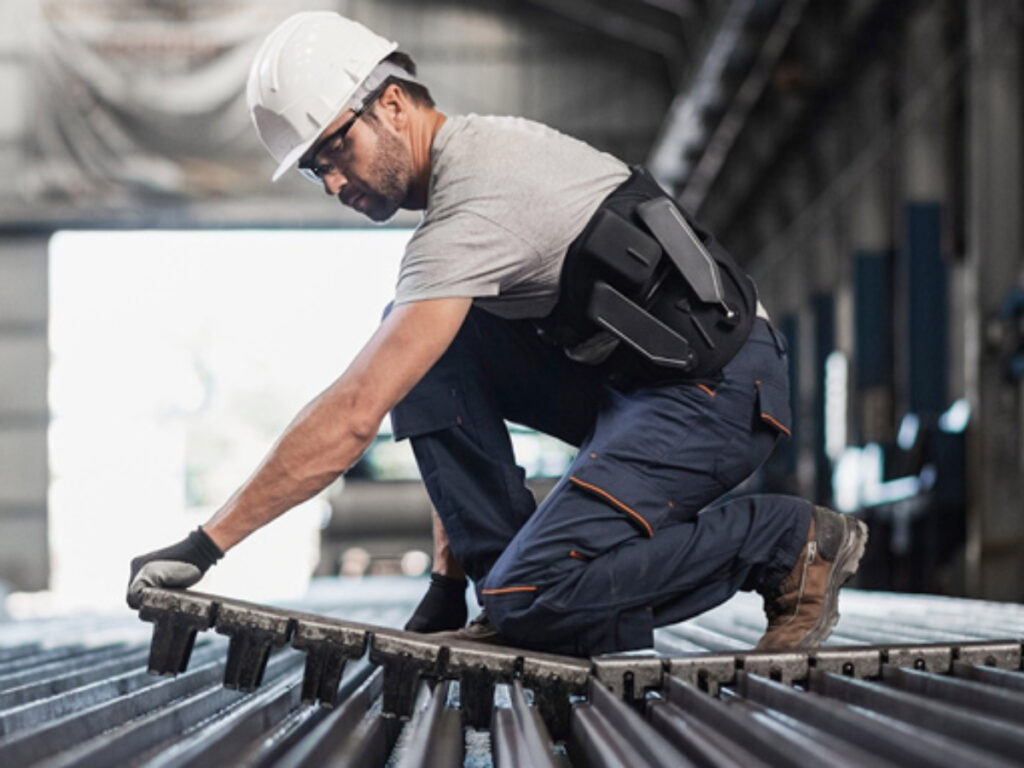
Types of Exoskeletons
Passive vs Active Exoskeletons
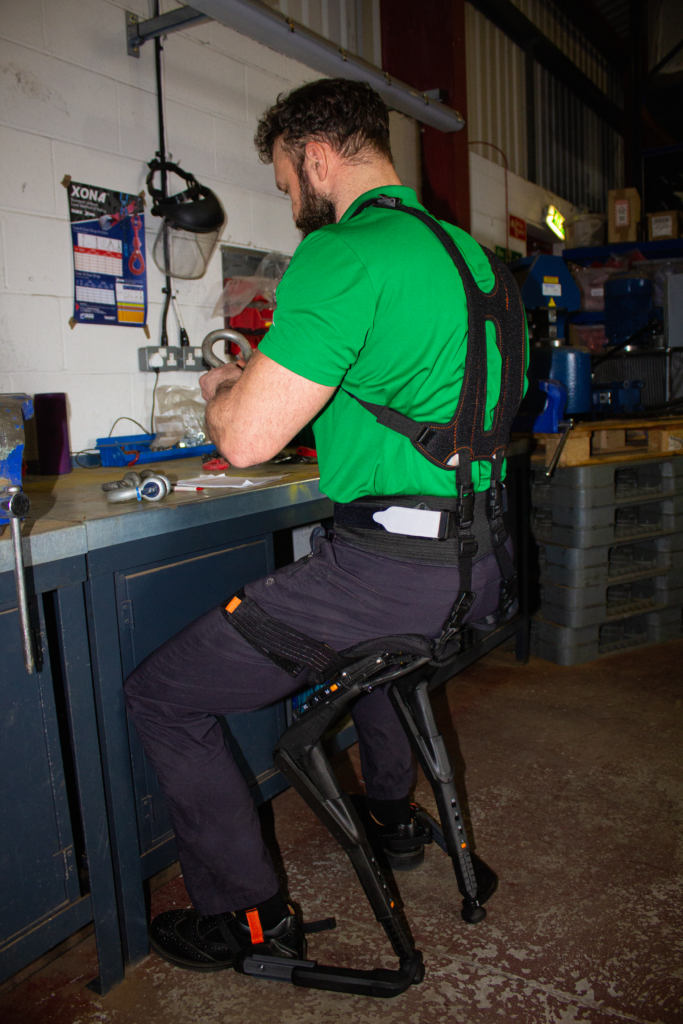
Passive Exoskeletons
Use mechanical elements, such as springs and elastic materials, to store and release energy. They can provide targeted physical support without requiring an external power source.
Passive exoskeletons are designed to support specific movements and working postures, helping make physically demanding tasks more manageable. They operate mechanically, without motors or batteries.
How they work:
Mechanical support through springs and elastic elements
Lightweight and wearable
Designed for specific movements and tasks
Active Exoskeletons
Use powered systems, such as electric motors, pneumatics or hydraulics, to assist movement or gripping. Their design and control systems depend on the particular application.
Active exoskeletons use powered assistance to help users perform specific physical tasks. Depending on the system, sensors and control mechanisms can respond to movement or user input to deliver support when required.
How they work:
Powered assistance for movement or gripping
Controlled support based on the task
Requires a power source
CHOOSING THE RIGHT SOLUTION
Let's Find the Right Solution
Selecting the right exoskeleton depends on the specific demands of your application, working environment and the tasks your team performs. Our range of solutions provides targeted support for different physical challenges, helping you identify the most suitable equipment for your workplace.
Understand Your Application
We assess your tasks, working environment and the physical demands placed on your team.
Recommend the Right Solution
We help you identify a suitable exoskeleton based on your application, requirements and goals.
Support Implementation
We can help you explore the available options and understand how exoskeletons may fit into your working practices.