Home → Products → Lifting Equipment → Chain Hoists
Lifting Clamps
Carl Stahl Evita supplies a range of lifting clamps for applications including the vertical and horizontal handling of steel plates, fabricated components and other materials, alongside beam clamps for creating temporary lifting and suspension points.
With different jaw openings, working load limits and gripping mechanisms available, selecting the right clamp is essential for safe and effective lifting. Our team can help you identify a suitable solution based on the load, material, lifting direction and working environment.
Lifting clamps are designed to provide a secure connection between lifting equipment and the load, allowing materials to be lifted, moved and positioned safely and efficiently.
Our range includes lifting clamps for different load types, lifting directions and applications, from vertical and horizontal handling of steel plates to specialist clamps for beams, pipes and other materials.
Carl Stahl Evita supplies lifting clamps from established manufacturers, with different working load limits, jaw openings and gripping mechanisms available to suit the requirements of individual applications. Selecting the correct clamp is essential to ensure the load is securely held throughout the lifting operation.
Secure Load Handling
Range of Applications
Different Configurations
Different Clamps for Different Applications
Lifting clamps are available in a variety of designs, with each type intended for a particular method of handling or load. Choosing the right design ensures the clamp is suitable for the material, lifting direction and application.
Vertical Lifting Clamps
Designed for lifting and moving steel plates and structures in an upright position. These clamps grip directly onto the load and are available with different working load limits and jaw openings. Carl Stahl
Horizontal Lifting Clamps
Designed for transporting sheet metal, steel plates and other flat materials in a horizontal position. Different models are available for varying material thicknesses, capacities and applications. Carl Stahl
Beam Clamps
Beam clamps provide a temporary or movable attachment point on steel beams, allowing lifting equipment such as chain hoists, lever hoists and lifting accessories to be suspended from existing steelwork. Carl Stahl
Specialist Lifting Clamps
Specialist designs are available for particular materials and applications, including pipes, sandwich panels, traffic signs and other components where a conventional plate clamp may not be suitable.
What to Consider When Selecting a Clamp
The correct lifting clamp should be selected according to the load, material and conditions in which it will be used. The specifications of individual clamps vary, so always check the manufacturer’s information before use.
Working Load Limit
Select a clamp with a working load limit suitable for the weight of the load being lifted. The rated capacity must never be exceeded.
Material & Thickness
Check that the clamp is designed for the material being handled and that its jaw opening is suitable for the thickness or profile of the load.
Lifting Direction
Establish whether the load will be lifted vertically, horizontally or in another configuration. Not every clamp is suitable for every direction of loading.
Minimum Load
Some clamps have a specified minimum load as well as a maximum working load limit. This should be checked when selecting equipment for lighter loads.
Our Lifting Clamps
Need help choosing the right Lifting Clamp?
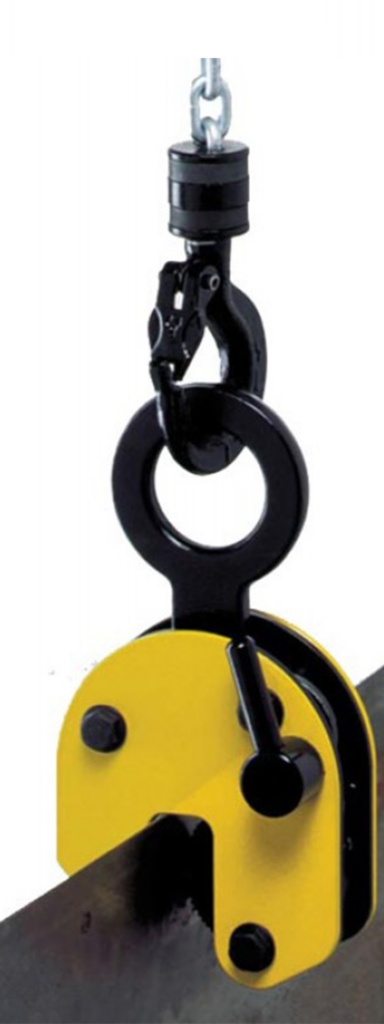
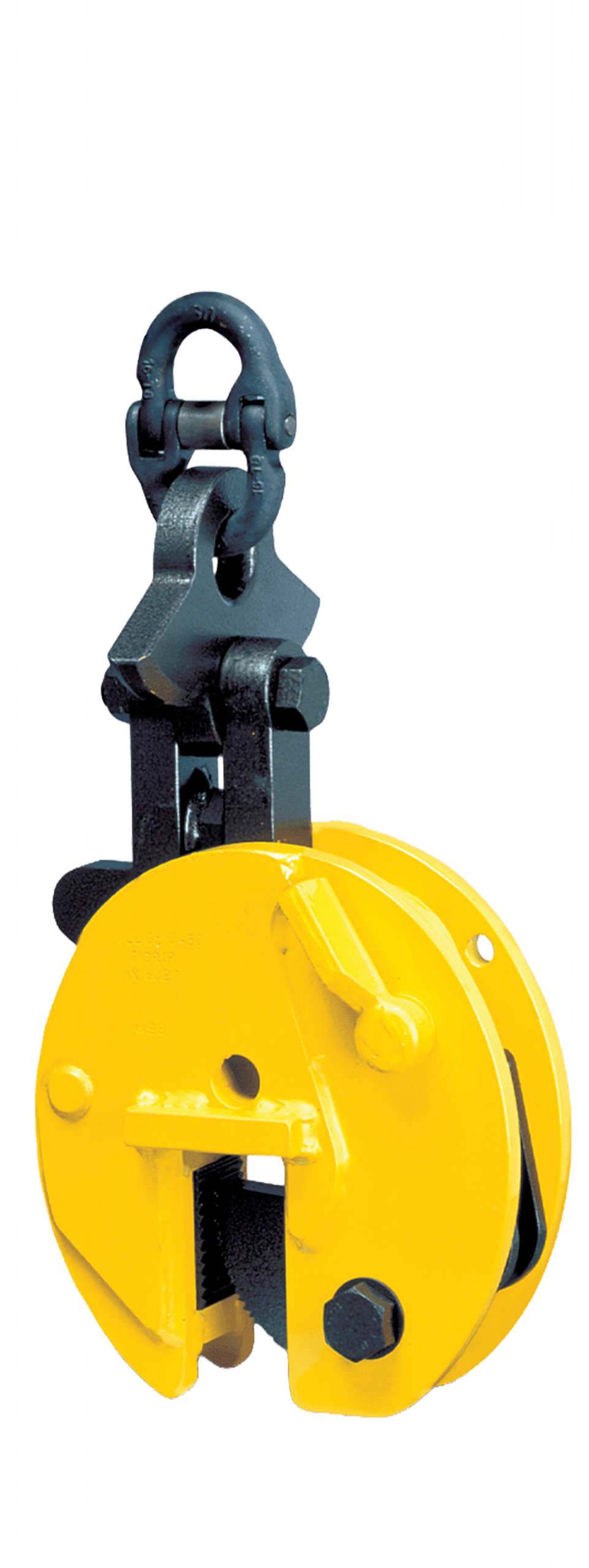
Camlok 92 Series Vertical Plate Clamp
- 50 kg – 3,000 kg working load limits
- Designed for vertical lifting and transport
- Can lift and rotate loads through 180°
- Spring-loaded safety lock and cam jaw
- High-tensile steel jaws and pads
- Suitable for steel plates, constructions and profiles
- Available with different jaw capacities depending on model
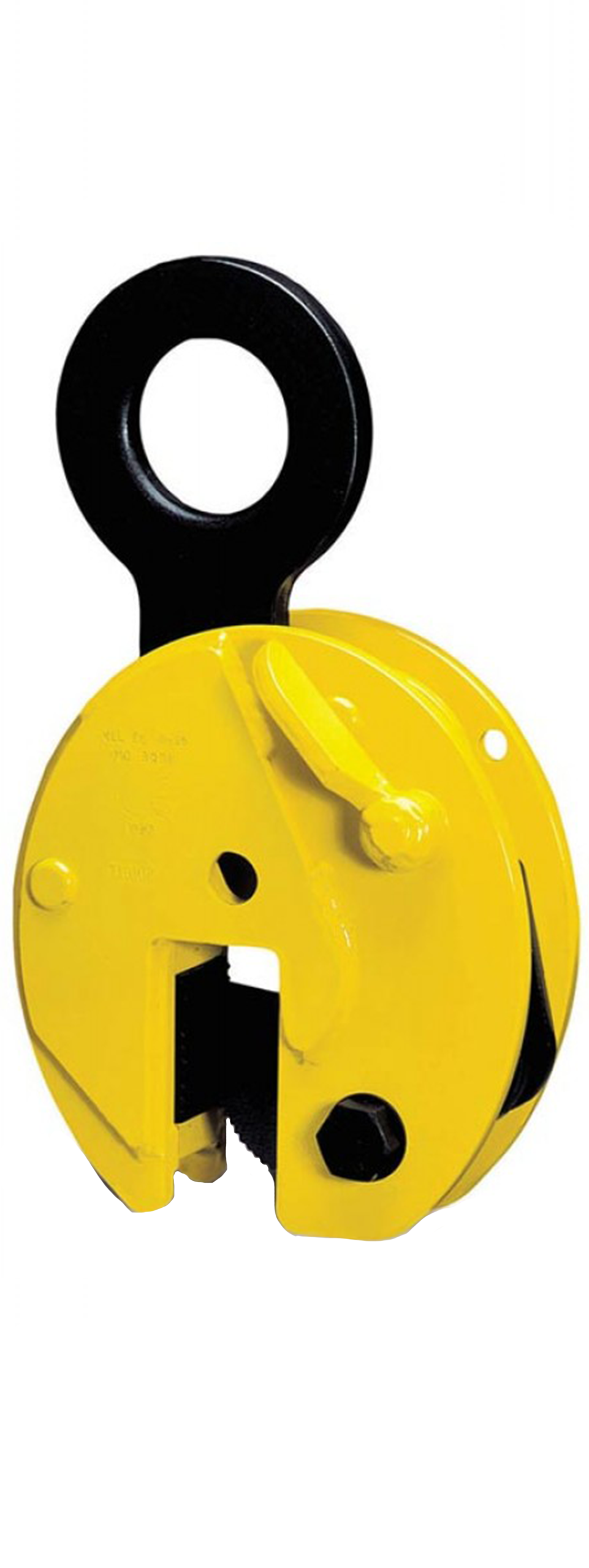
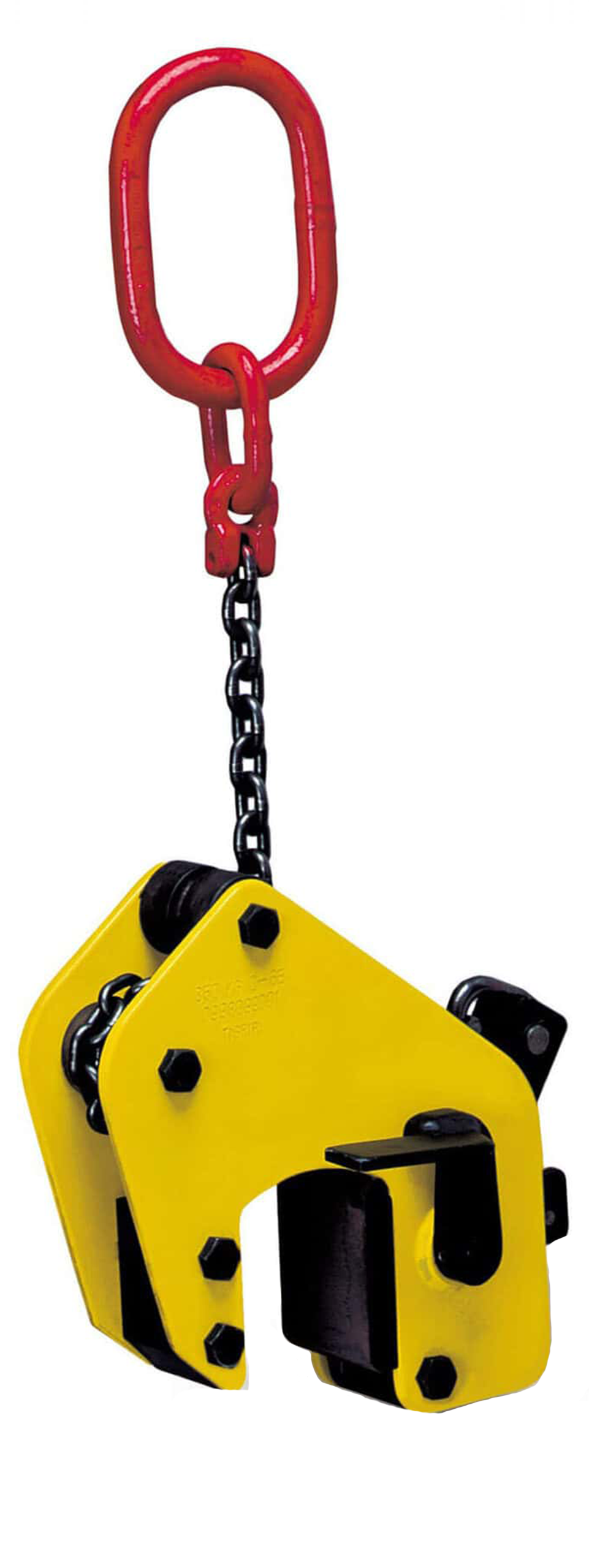
Camlok CZ Heavy Duty Vertical Plate Clamp
- 1t – 30t working load limits
- Designed for heavy-duty vertical lifting
- Can lift and rotate loads through 180°
- Spring-loaded safety lock and cam jaw
- High-tensile steel jaws and pads
- Suitable for steel plates, constructions and profiles
- Ergonomic cam handle with hex drive
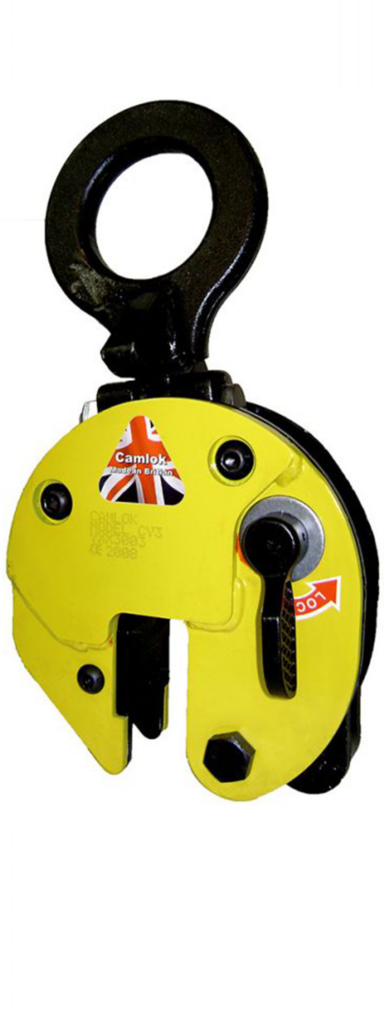
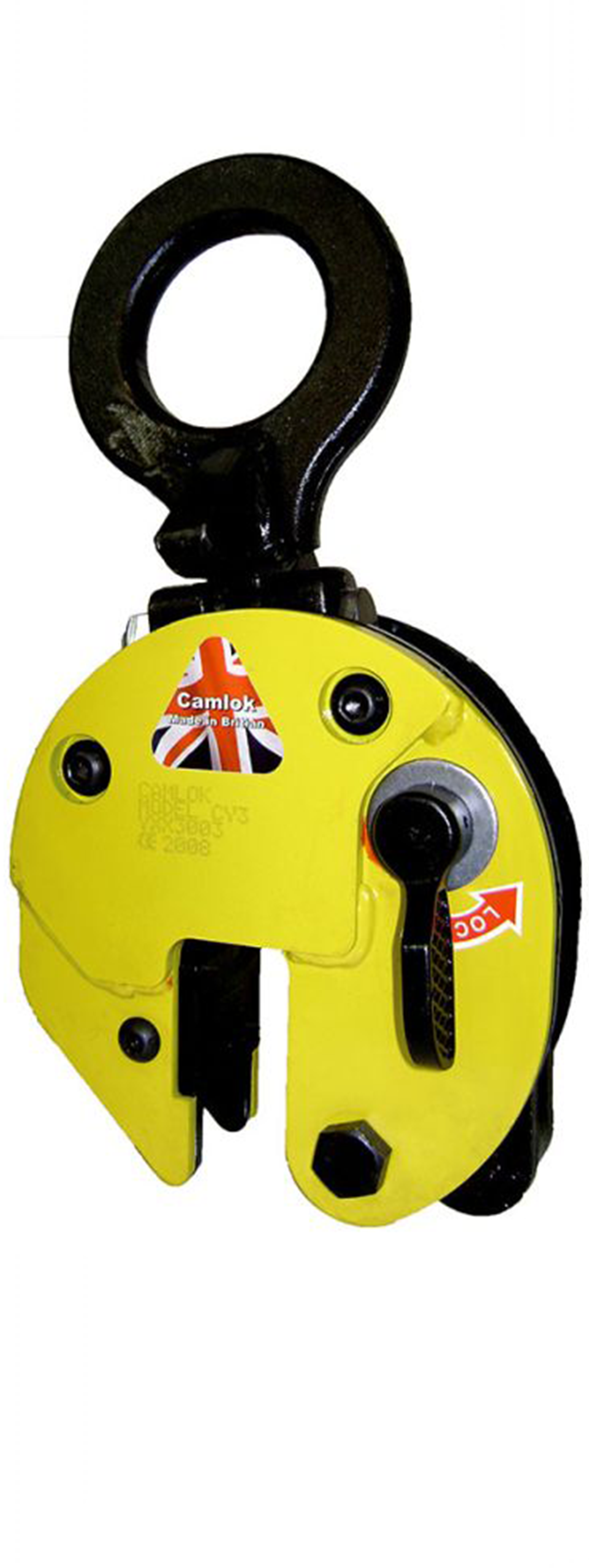
Camlok CY Hinged Vertical Plate Clamp
- 1t – 3t working load limits
- Hinged hook ring for multi-angle lifting
- Suitable for lifting from horizontal to vertical
- Can grip from the side for edge lifting
- Suitable for handling longer plates using two clamps
- Swivelling hook ring for flexible attachment
- Cam-operated closing mechanism
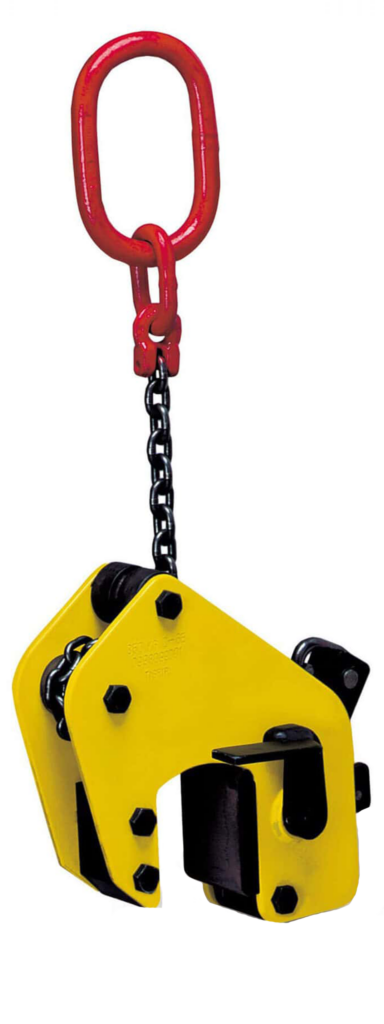
Camlok LJ Non-Marring Plate Clamp
- 25 kg – 1,500 kg working load limits
- Non-marring leather jaw linings
- Designed to prevent scratches and surface indentations
- Suitable for stainless steel, aluminium, steel, iron and timber
- Suitable for hard surfaces over 300 Brinell
- Effective on moist and dirty surfaces
- 180° lifting capability
- 4:1 safety factor
Download technical information
Not sure which lifting clamp you need?
Stock and delivery
CAN'T FIND WHAT
YOU'RE LOOKING FOR?
What is a Lifting Clamp?
Different types of lifting clamps are designed for different applications. Vertical plate clamps are used to lift and transport plates and steelwork in an upright position, while horizontal clamps are designed for handling materials horizontally. Specialist clamps are also available for particular materials, profiles and lifting requirements.
Lifting clamps are available in a range of working load limits, jaw openings and configurations, allowing equipment to be selected according to the weight and dimensions of the load, the material being handled and the direction of the lift. The correct clamp must always be selected and used in accordance with its manufacturer's instructions and rated capacity.
Carl Stahl Evita supplies lifting clamps from established manufacturers, with solutions available for a wide range of industrial lifting applications. Our team can help you select suitable equipment based on your load, material, lifting direction and working environment.
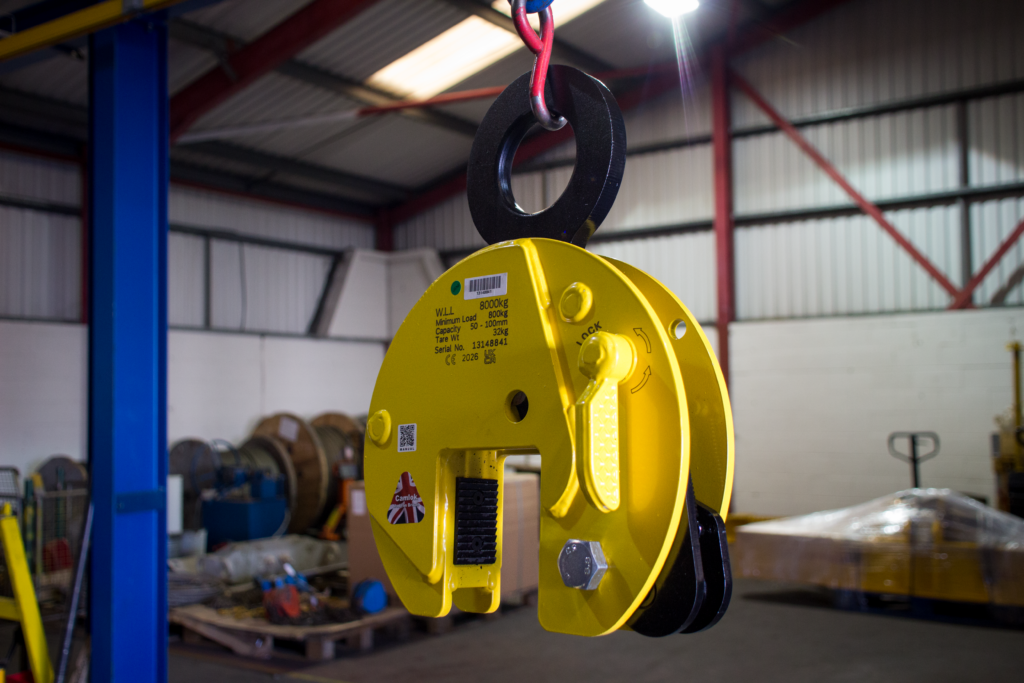
Choosing the Right Lifting Clamp
Working Load Limit
Material & Jaw Opening
Lifting Direction
Application & Environment
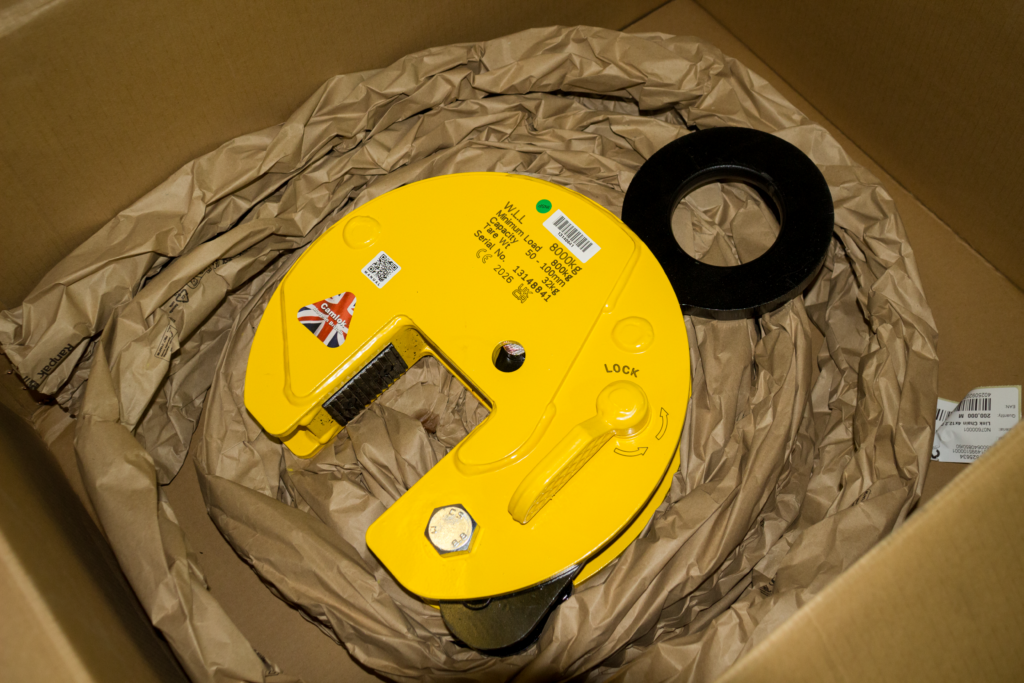
Different Clamps for Different Applications
Vertical lifting clamps are designed for lifting and transporting steel plates and fabricated components in an upright position, while horizontal lifting clamps are used to handle plates and sheet materials horizontally.
Beam clamps provide a temporary attachment point on structural steelwork for equipment such as chain hoists and lever hoists. Specialist lifting clamps are also available for particular materials, profiles and applications where a standard plate clamp may not be suitable.
Carl Stahl Evita can provide a much wider range of lifting clamps than those currently featured on this page. If you have a specific application or can't find the type of clamp you require, speak to our team about the available options.
Typical Uses for Lifting Clamps
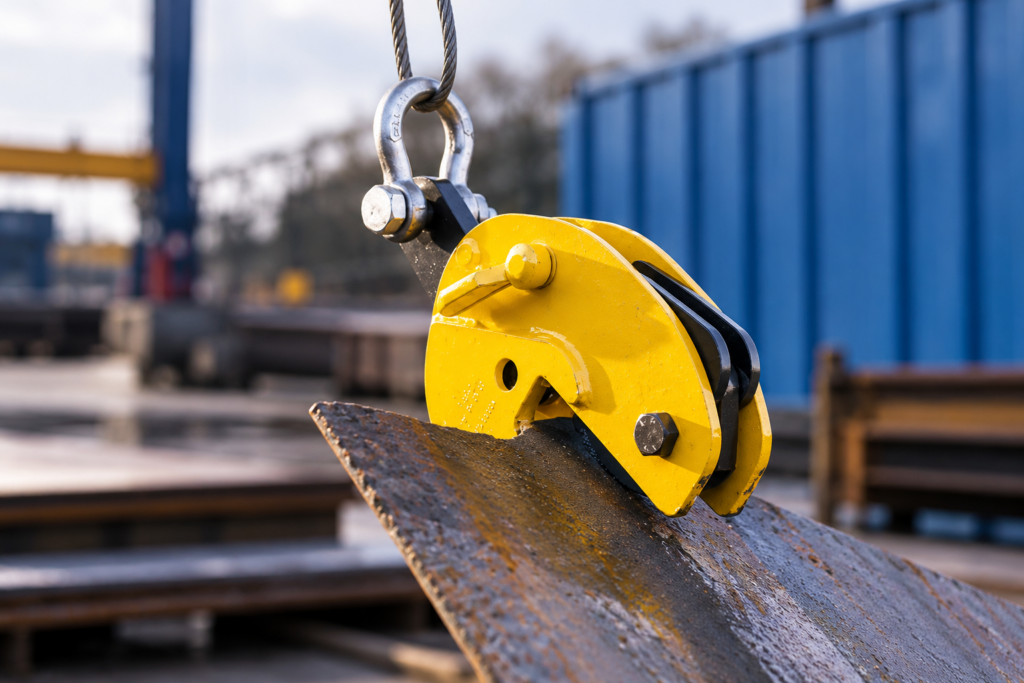
Steel Fabrication
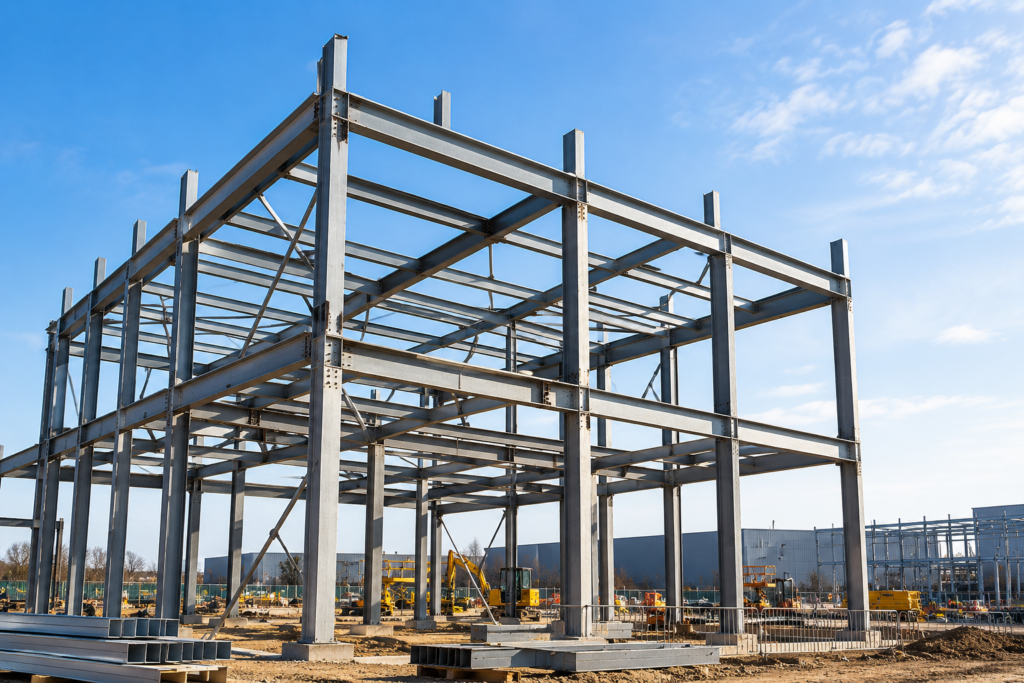
Construction
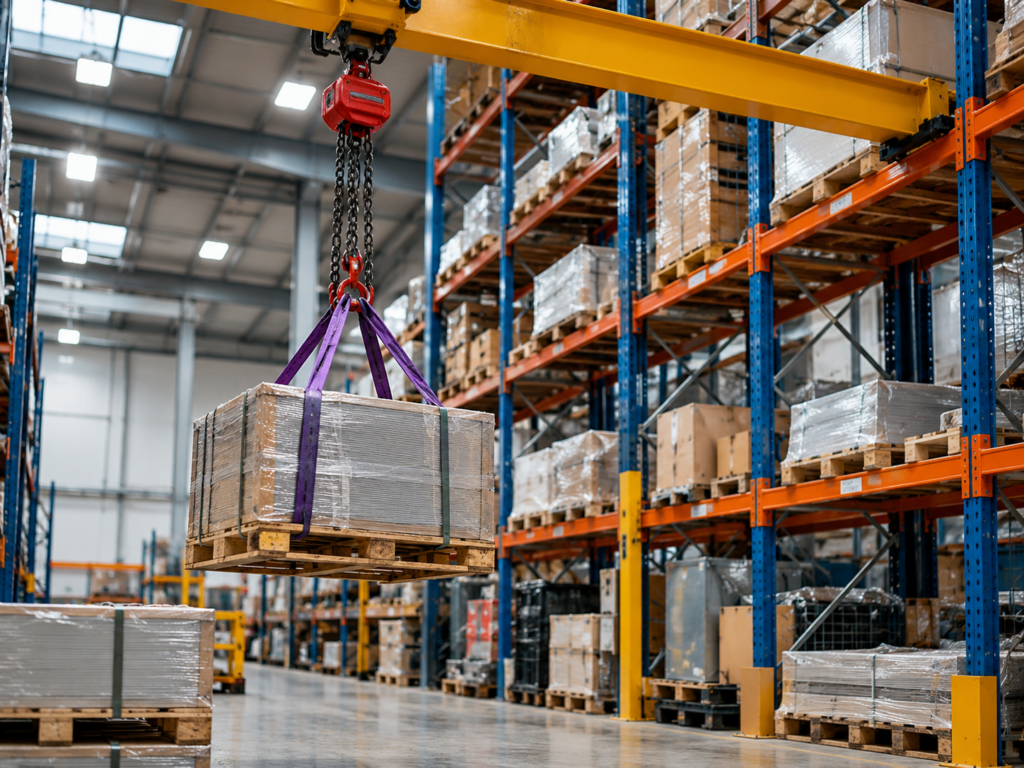
Material Handling
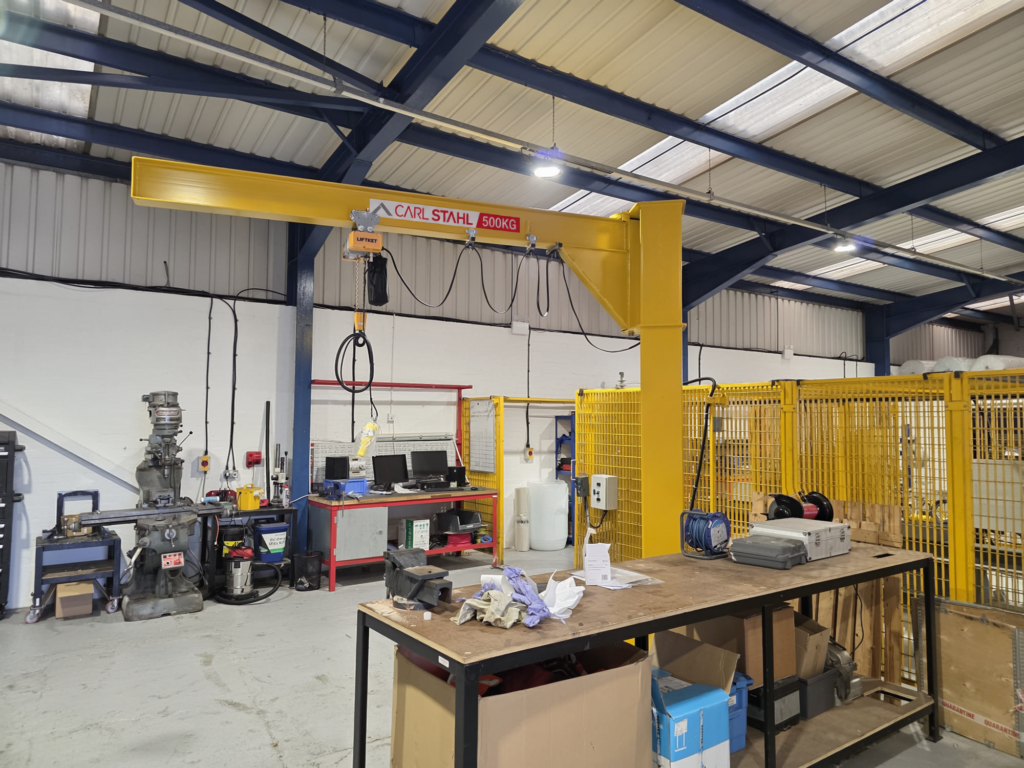
Engineering & Manufacturing
Frequently Asked Questions
1. What is a lifting clamp?
A lifting clamp is a mechanical lifting accessory used to grip a load and provide a temporary connection to lifting equipment. Different clamps are designed for materials and applications including steel plates, fabricated components and structural steelwork.
2. What are lifting clamps used for?
Lifting clamps are used to lift, move and position materials such as steel plates, sections and fabricated components. Depending on the design, clamps can be used for vertical lifting, horizontal handling or specialist applications.
3. How do I choose the right lifting clamp?
The correct clamp depends on factors including the weight and material of the load, material thickness, required lifting direction, jaw opening and working environment. The manufacturer’s specifications should always be checked to ensure the clamp is suitable for the intended application.
4. What is the difference between a vertical and horizontal lifting clamp?
Vertical lifting clamps are designed to grip and lift loads in an upright position, while horizontal lifting clamps are designed to handle plates and other materials horizontally. The two types are designed for different loading conditions and should not be used interchangeably.
5. What materials can lifting clamps be used with?
This depends on the specific clamp. Many lifting clamps are designed for steel plates and structural steelwork, while specialist clamps can be available for materials such as stainless steel, aluminium, timber and other surfaces. Always check the manufacturer’s specifications before use.
6. Can lifting clamps be used to rotate loads?
Some lifting clamps are specifically designed to allow loads to be rotated or moved between different orientations. However, this is dependent on the design and rated application of the individual clamp, so the manufacturer’s instructions should always be followed.
7. What working load limits are lifting clamps available in?
Lifting clamps are available across a wide range of working load limits, from clamps designed for relatively light materials through to heavy-duty models for high-capacity industrial lifting. The available capacity depends on the type and model of clamp.
8. Can you supply lifting clamps that aren't shown on your website?
Yes. The products featured on our website represent only part of the lifting clamps we can supply. If you cannot find a suitable clamp for your application, contact our sales team at sales@carlstahlevita.co.uk and we can discuss your requirements and help identify a suitable solution.