Home → Products → Lifting Equipment → Chain Slings
Chain Slings
Chain slings are used for lifting and positioning loads where a durable and adaptable connection between the lifting equipment and load is required. They are available in a range of configurations to suit different load shapes, lifting arrangements and working environments.
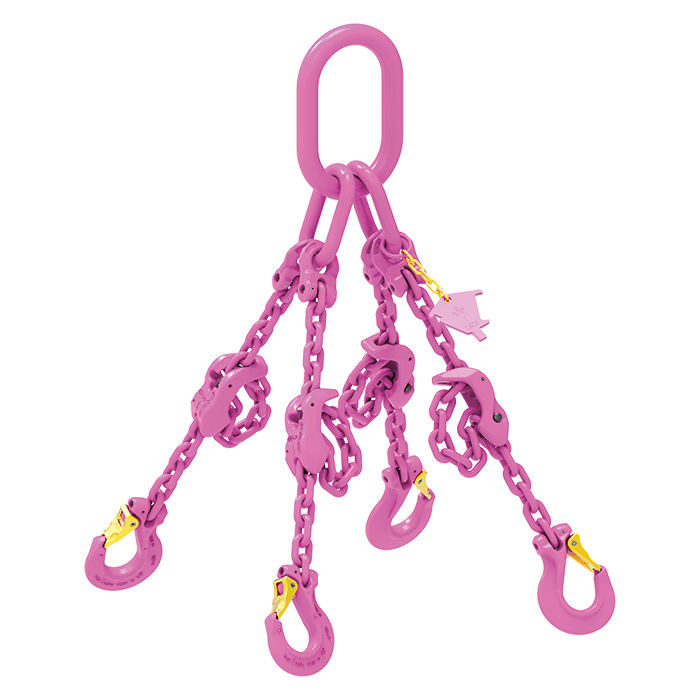
Chain slings can be supplied as single-leg, two-leg, three-leg and four-leg assemblies, with different hook and master-link configurations available depending on the lifting application.
Carl Stahl Evita supplies chain slings from established manufacturers, with options available for a wide range of industrial lifting requirements. Our team can help you select suitable equipment based on the load, lifting arrangement and working environment.
Durable Construction
Versatile Configurations
Designed for Safe Lifting
Choose the Right Chain Sling Configuration
Chain slings can be configured in different ways depending on the shape, weight and lifting points of the load. Selecting the appropriate number of legs and end fittings is important to ensure the sling is suitable for the intended lifting operation.
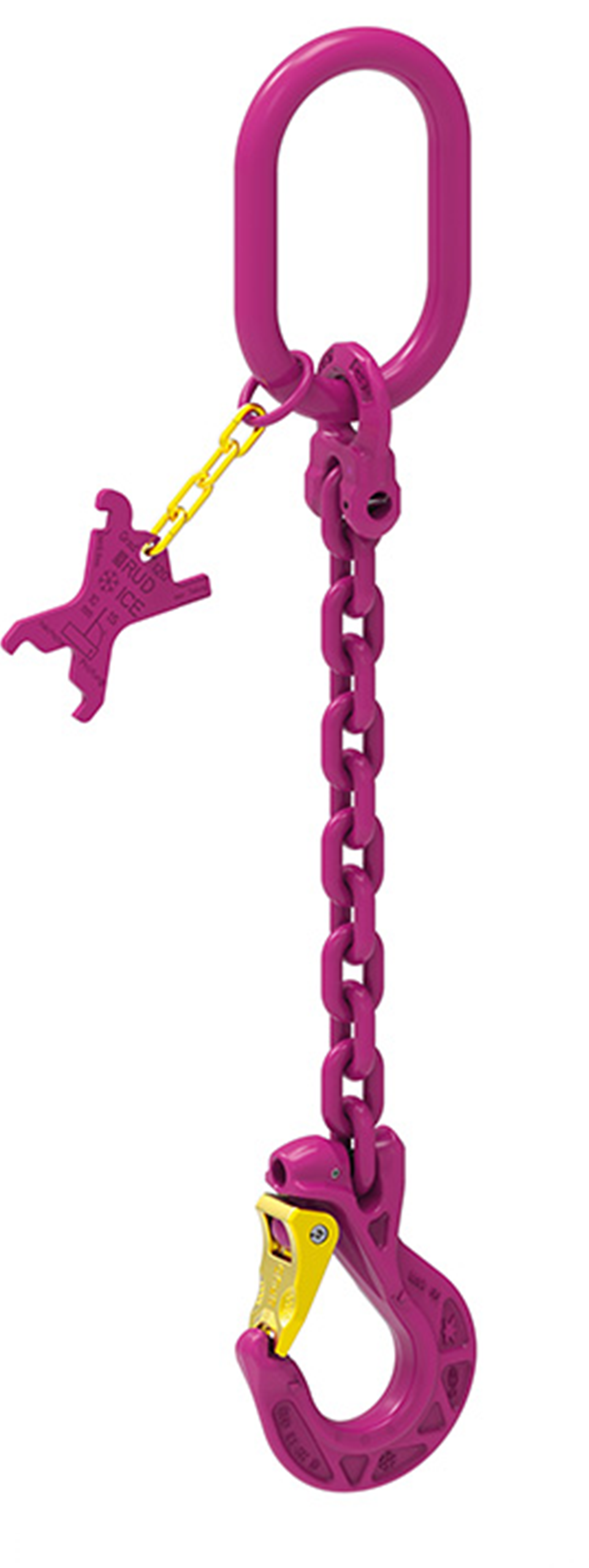
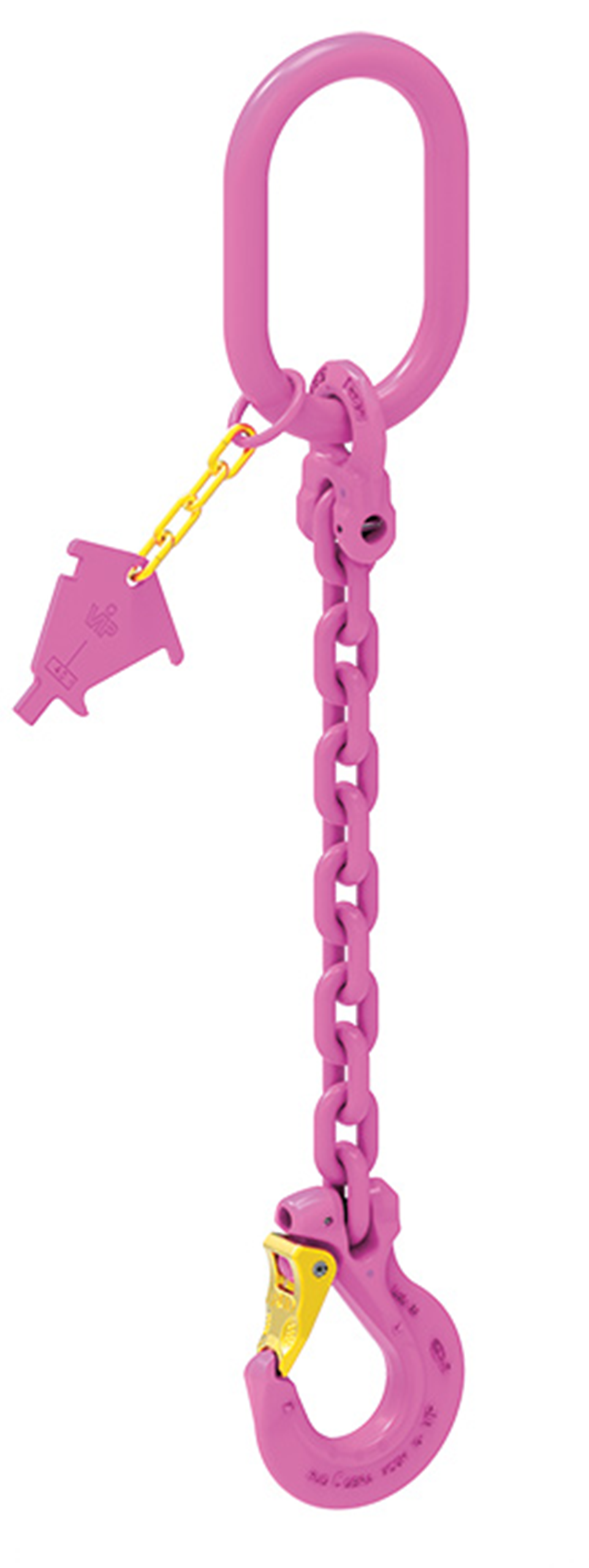
Single-Leg Chain Slings
Two-Leg Chain Slings
Three & Four-Leg Chain Slings
Hook & Fitting Options
Selecting the Right Chain Sling
The correct chain sling configuration depends on several factors, including the weight and shape of the load, the number of available lifting points and the way the load will be lifted.
Working Load Limit
Select a chain sling with a suitable working load limit (WLL) for the intended lifting operation. The required capacity will depend on the weight of the load and the configuration in which the sling is used.
Number of Legs
Consider whether a single-leg, two-leg or multi-leg chain sling is appropriate for the load. The angle between sling legs can affect the forces acting on each leg and should be taken into account when selecting equipment.
Length
Chain slings are available in different lengths to accommodate different load dimensions and lifting arrangements. Consider the required lifting height and connection points when specifying the sling.
Working Environment
Consider the conditions in which the chain sling will be used, including the frequency of lifting, temperature and exposure to potentially damaging environments.
Our Chain Slings
From single-leg chain slings for straightforward lifting through to multi-leg configurations for more complex applications, our range provides options for different working load limits and requirements.
Explore our current range of chain slings below, or contact our team for advice on selecting the right configuration for your lifting application.
Need help choosing the right chain sling?
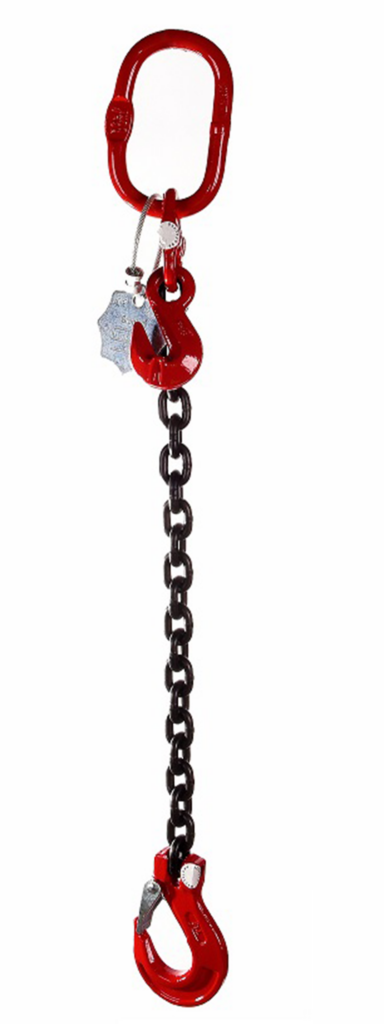
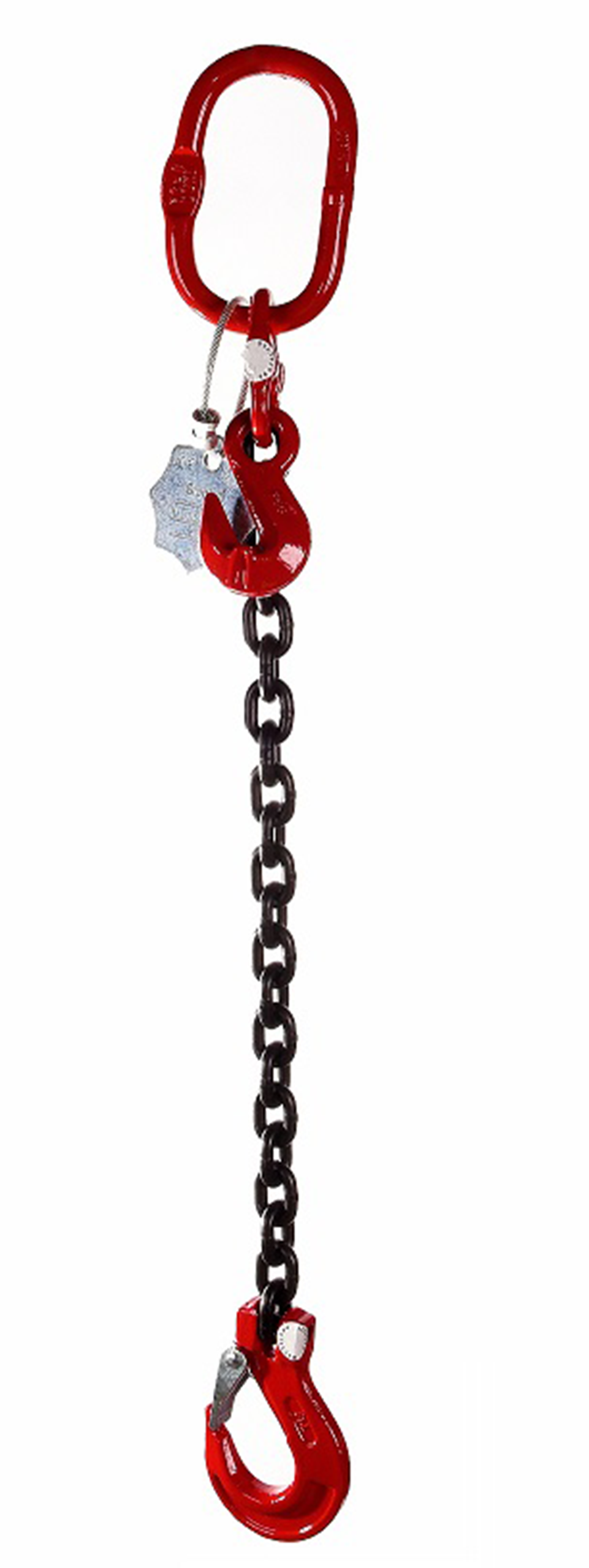
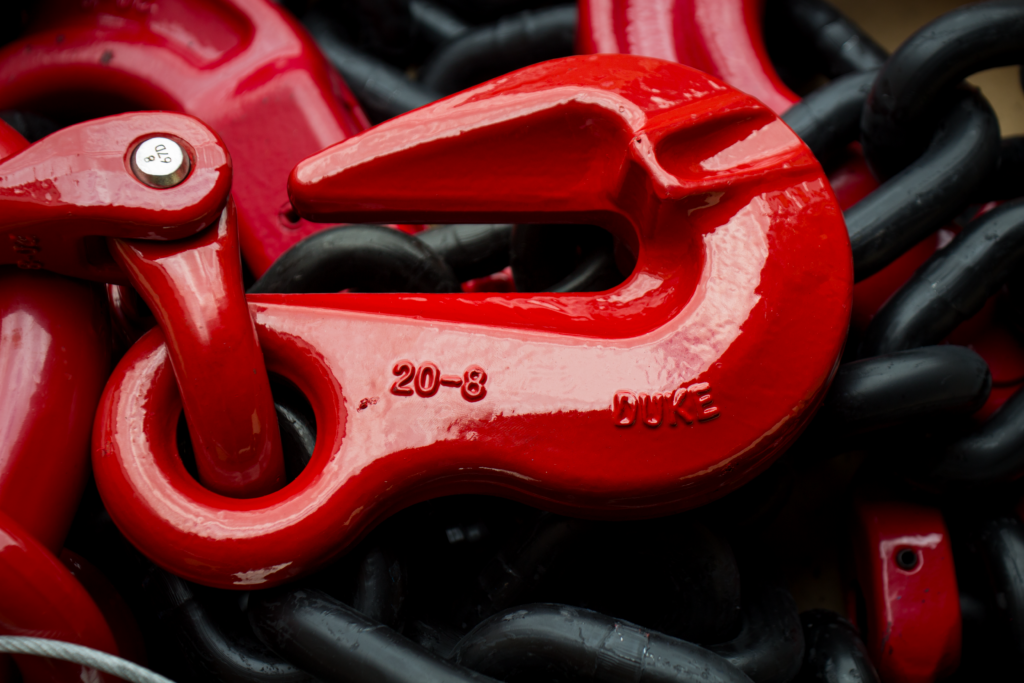
Grade 8 Chain Slings
- General-purpose lifting
- Single, 2-leg and 4-leg configurations
- Range of lengths and fittings
PROCB Professional Chain Block
- Higher-strength chain
- Single, 2-leg and 4-leg configurations
- Suitable for higher-capacity lifting
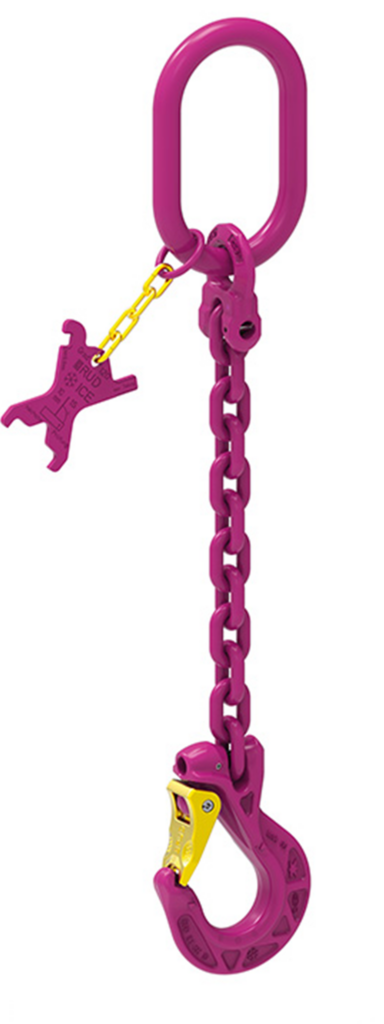
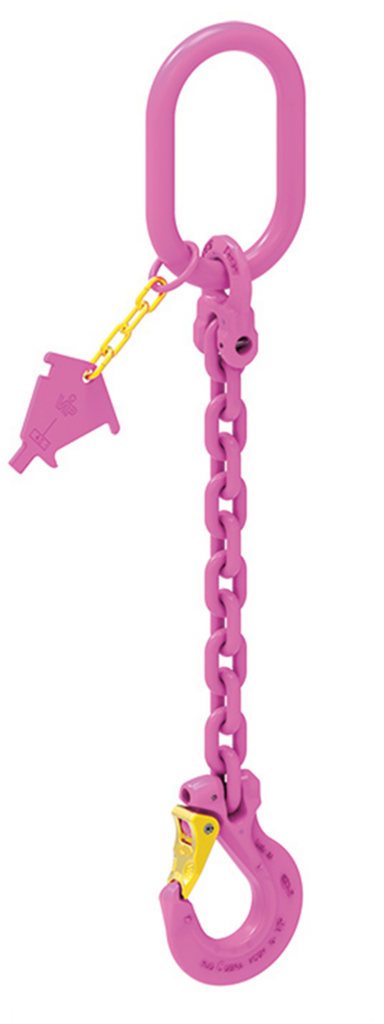
Grade 12 Chain Slings
- High-strength lifting solution
- Single, 2-leg and 4-leg configurations
- Higher working load limits
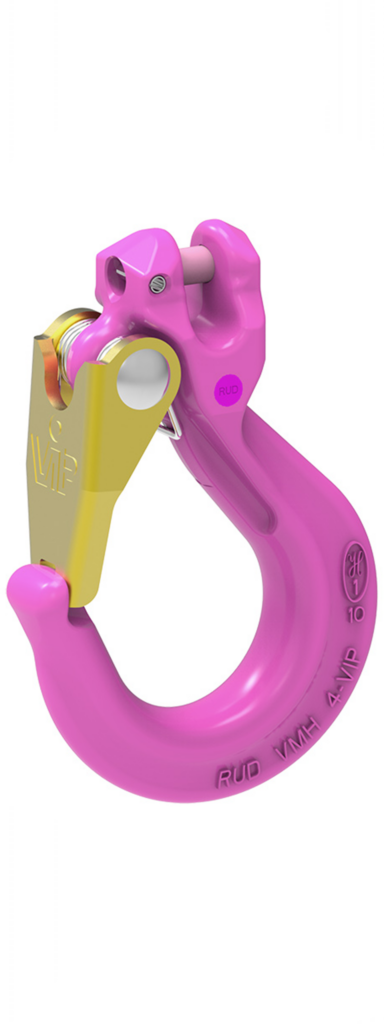
Chain Sling Components
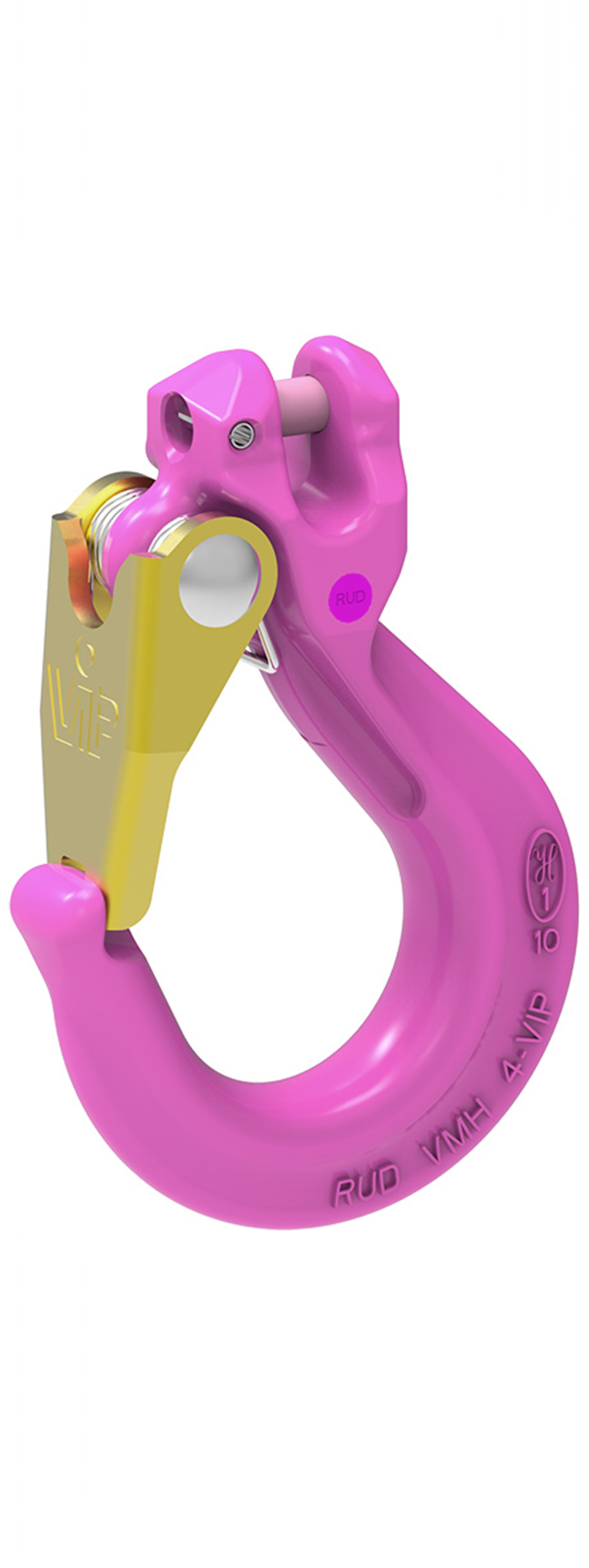
- Hooks and master links
- Shortening devices
- Components for different sling configurations
Download technical information
Not sure which chain sling you need?
Stock and delivery
CAN'T FIND WHAT
YOU'RE LOOKING FOR?
What is a Chain Sling?
Chain slings are available in a range of configurations, including single-leg, two-leg, three-leg and four-leg assemblies, allowing them to be selected according to the shape, weight and lifting points of the load. Different chain grades, lengths and fittings can also be specified to suit the requirements of the lifting operation.
Chain slings are widely used across manufacturing, engineering, construction, maintenance and material handling applications. Their robust construction makes them suitable for demanding industrial environments where reliable lifting equipment is required.
Carl Stahl Evita supplies a range of Grade 8, Grade 10 and Grade 12 chain slings from established manufacturers, with different configurations and components available for a variety of lifting requirements. Our team can help you select a suitable chain sling based on the load, configuration, working load limit and lifting arrangement.
Choosing the Right Chain Sling
Working Load Limit
Sling Configuration
Chain Grade
Load & Environment
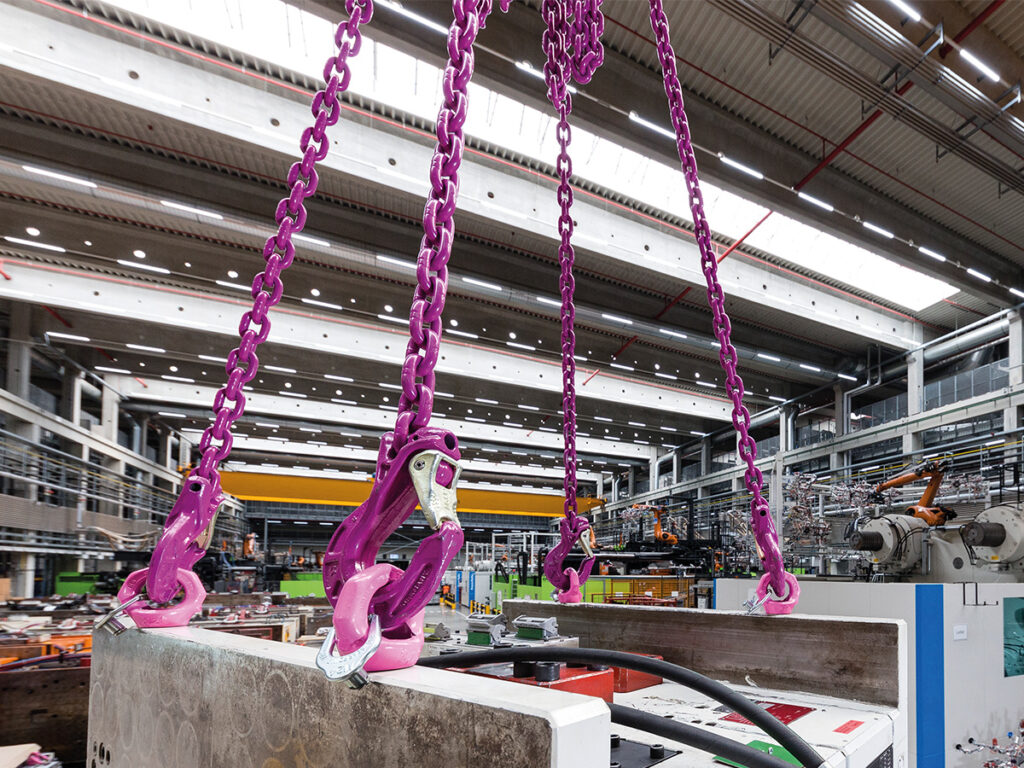
Grade 8, Grade 10 and Grade 12 Chain Slings
Grade 10 chain slings provide a higher-strength option where increased working load limits are required. Their higher grade allows greater lifting capacities to be achieved for appropriately specified chain sizes and configurations.
Grade 12 chain slings provide a high-strength solution for demanding lifting applications where higher working load limits are required within the available sling configuration.
The appropriate chain grade depends on the required working load limit, chain size, sling configuration and lifting application. Carl Stahl Evita can help you select a suitable chain sling based on the requirements of your lift.
Typical Uses for Chain Slings
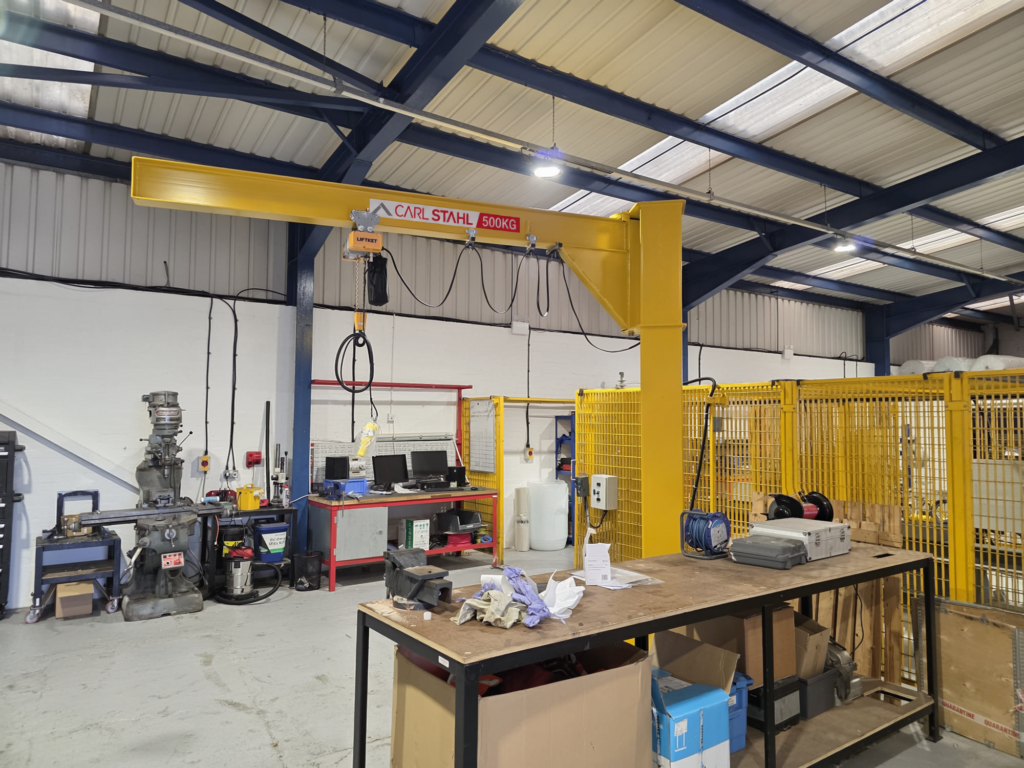
Manufacturing

Construction
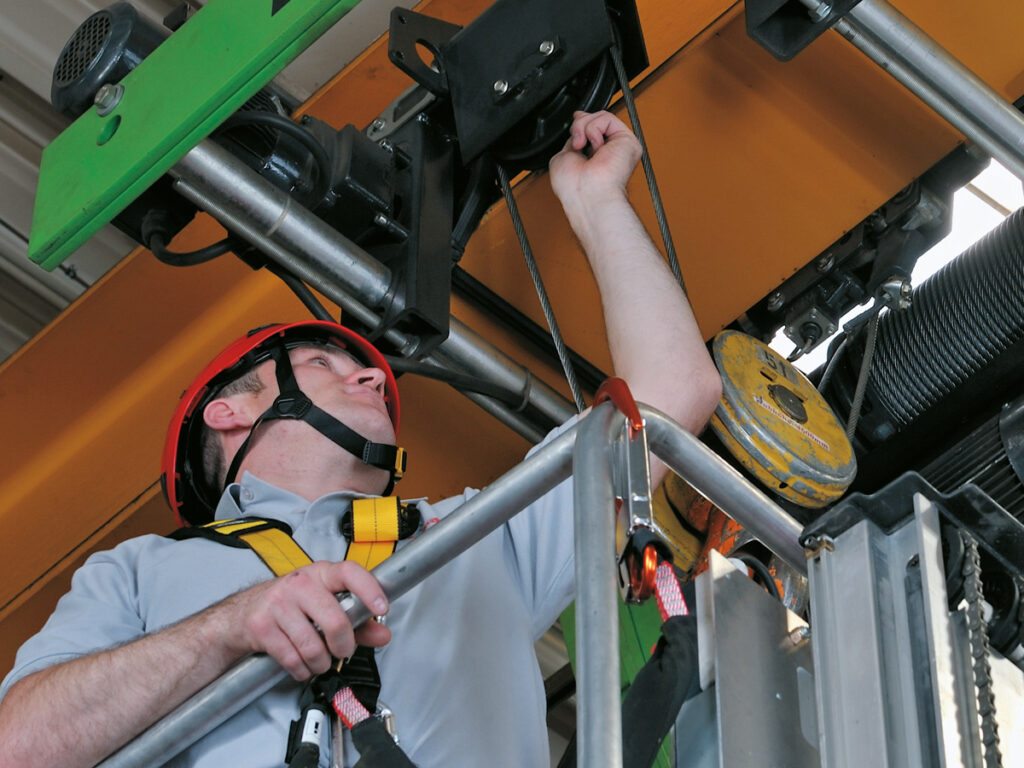
Maintenance
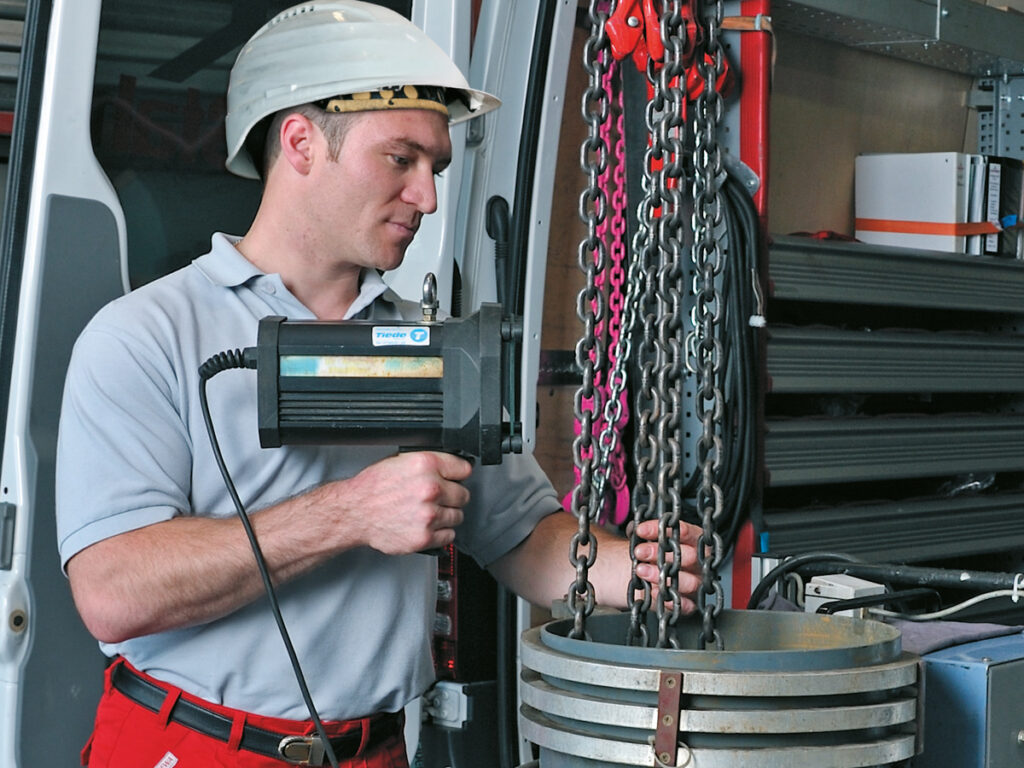
Engineering
Frequently Asked Questions
1. What is a chain sling?
A chain sling is a lifting assembly used to connect a load to a crane, hoist or other lifting device. It is made from high-strength lifting chain and typically incorporates components such as master links, hooks and shortening devices. Chain slings are available in different grades, configurations and lengths to suit a wide range of lifting applications.
2. What are chain slings used for?
Chain slings are used for lifting, positioning and handling heavy loads across industries including manufacturing, construction, engineering and maintenance. Their durable construction and range of configurations make them suitable for both routine lifting operations and demanding industrial applications.
3. What grades of chain sling are available?
Chain slings are available in Grade 8, Grade 10 and Grade 12. The appropriate grade depends on factors such as the required working load limit, chain size, sling configuration and lifting application. Carl Stahl Evita supplies chain sling options across all three grades.
4. What is the difference between Grade 8, Grade 10 and Grade 12 chain slings?
Grade 8, Grade 10 and Grade 12 chain slings provide different strength and capacity options. Grade 8 is widely used for general-purpose lifting, while Grade 10 and Grade 12 provide higher-strength options where increased working load limits are required. The appropriate grade should be selected according to the requirements of the lifting operation.
5. What chain sling configuration do I need?
Chain slings are available in single-leg, two-leg, three-leg and four-leg configurations. The appropriate configuration depends on the shape and weight of the load, the number and position of suitable lifting points and the intended lifting arrangement. The sling should be selected according to the requirements of the specific lifting operation.
6. How do I choose the right chain sling capacity?
The chain sling should have a suitable working load limit (WLL) for the load being lifted and the configuration in which it will be used. Factors including the chain grade, chain size, number of legs and sling angle can affect the applicable WLL. Always check the manufacturer’s rated capacity and ensure the sling is suitable for the intended lift.
7. Can chain slings be adjusted for different loads?
Some chain sling configurations can be supplied with shortening devices and adjustable components, allowing the effective length or configuration to be adapted for different lifting arrangements. The appropriate components should be selected according to the chain grade, WLL and requirements of the application.
8. Can Carl Stahl Evita help me choose a chain sling?
Yes. Carl Stahl Evita supplies Grade 8, Grade 10 and Grade 12 chain slings in a range of configurations and can help you identify suitable lifting equipment for your application. Our team can advise on factors including working load limit, chain grade, sling configuration, length and lifting arrangement.