Home → Products → Lifting Equipment → Chain Hoists
Lifting Points
We supply a range of lifting points for different load designs, lifting directions and working load limits, including swivel lifting points, lifting rings and other bolted or weld-on solutions.
Our range includes lifting points from established manufacturers such as RUD, with solutions available for general industrial lifting through to demanding applications requiring high-capacity and multi-directional loading.
Secure Connection Points for Lifting Applications
Lifting points provide a dedicated connection between a load and lifting equipment, allowing hooks, chains, slings and other lifting accessories to be connected securely to the load.
Available in a variety of designs, lifting points can be bolted, welded or otherwise attached to suitable loads and structures. Swivel and rotating designs can accommodate changing directions of pull, while fixed lifting points provide a straightforward connection where the lifting direction is known.
We supply lifting points from established manufacturers, including RUD, with solutions available for general lifting applications through to demanding industrial requirements.
Secure Load Attachment
Different Mounting Options
Fixed & Swivel Designs
Different Designs for Different Loads
Lifting points are available in a range of designs to suit different methods of attachment, lifting directions and applications.
Bolted Lifting Points
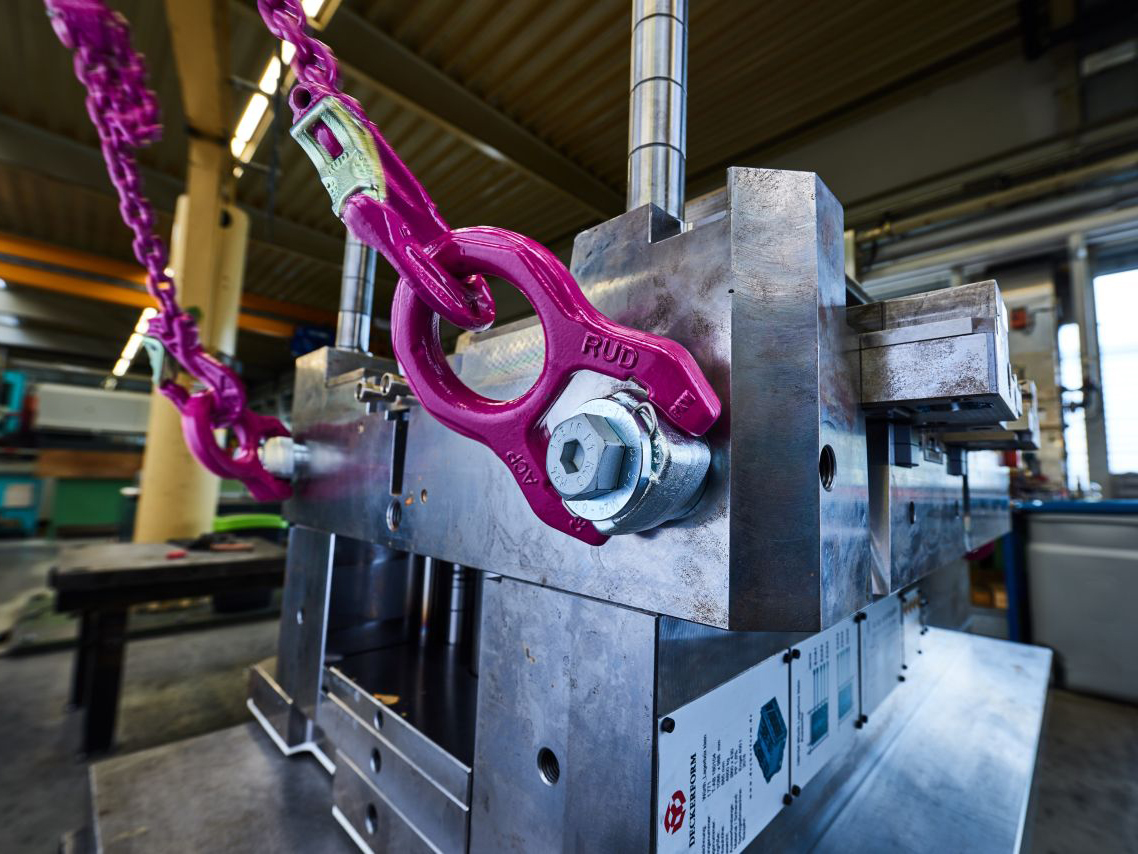
Bolted lifting points are attached to a suitable threaded mounting point on the load and can be removed when no longer required. They include products such as the RUD VLBG-PLUS, which is designed to provide its working load limit in all directions.
Weld-On Lifting Points
Weldable lifting points are permanently attached to the load or structure. They can provide a dedicated lifting connection where a suitable bolted mounting arrangement isn’t available.
Rigid Lifting Points
Rigid lifting points include fixed lifting eyes and eye bolts where the direction of pull remains defined. They are particularly suited to straightforward single-leg lifting applications.
Swivel & Rotating Lifting Points
Swivel and rotating lifting points can align themselves with the direction of pull, making them particularly useful where the load direction changes or multi-leg lifting arrangements are involved.
Working Load Limit
Select a lifting point with a suitable WLL for the weight of the load and the planned lifting arrangement. The required capacity can also be affected by the number of lifting points and the angle of the lifting legs.
Mounting Method
Consider how the lifting point will be attached to the load. Bolted lifting points require a suitable threaded connection, while weld-on designs are permanently attached to the structure.
Lifting Direction
The direction of force is an important consideration. Fixed lifting points are suited to defined loading directions, while swivel and rotating designs can provide greater flexibility by aligning with the direction of pull. Rud
Load & Application
Consider the load construction, available mounting space, thread requirements, lifting configuration, operating environment and frequency of use when selecting a lifting point.
Our Lifting Points
Need help choosing the right chain hoist?
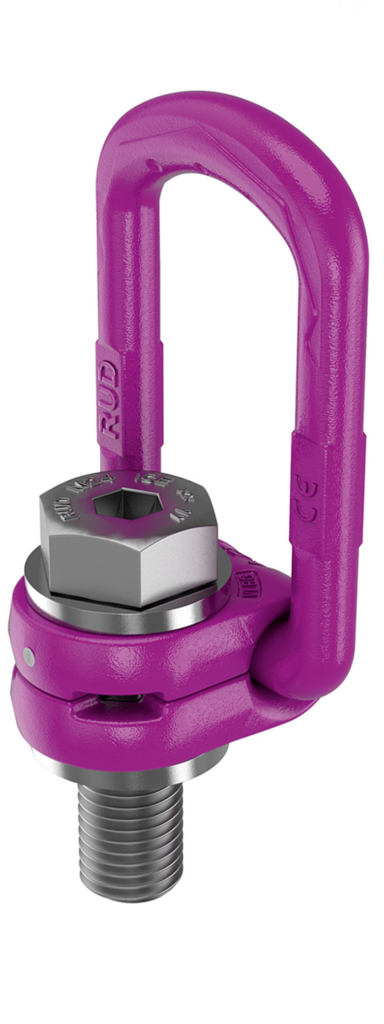
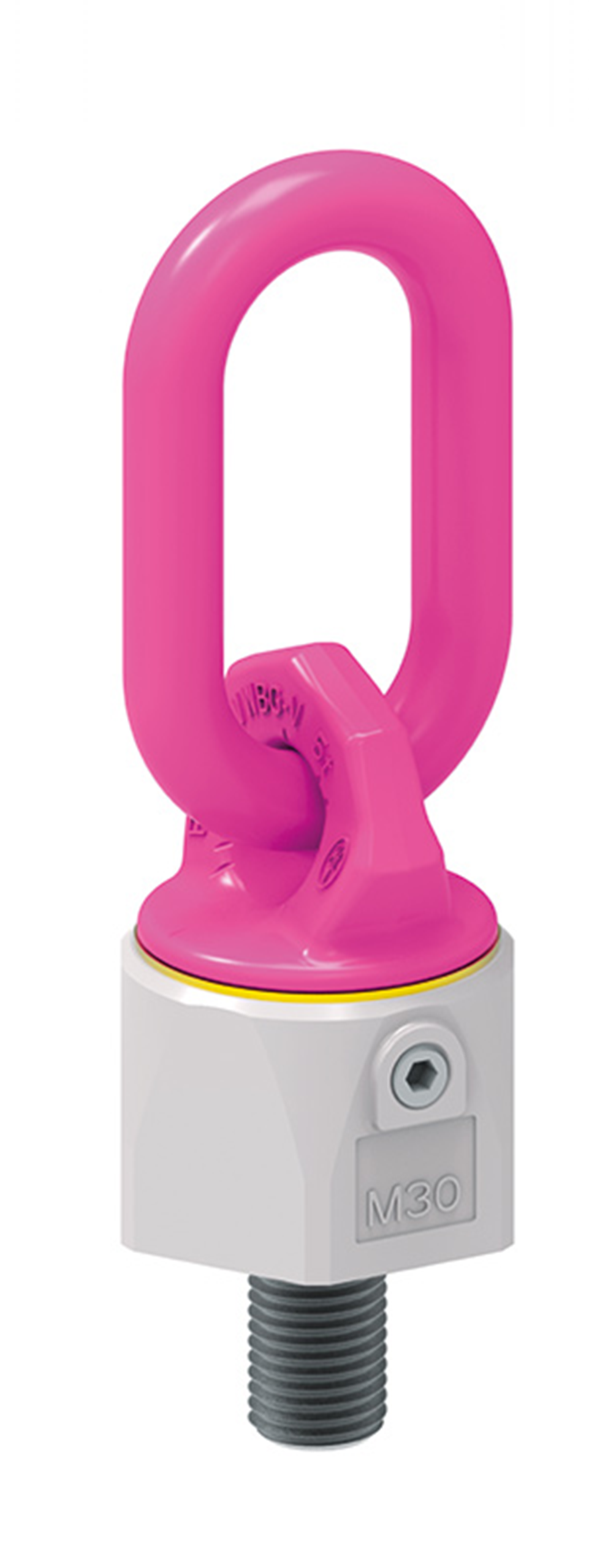
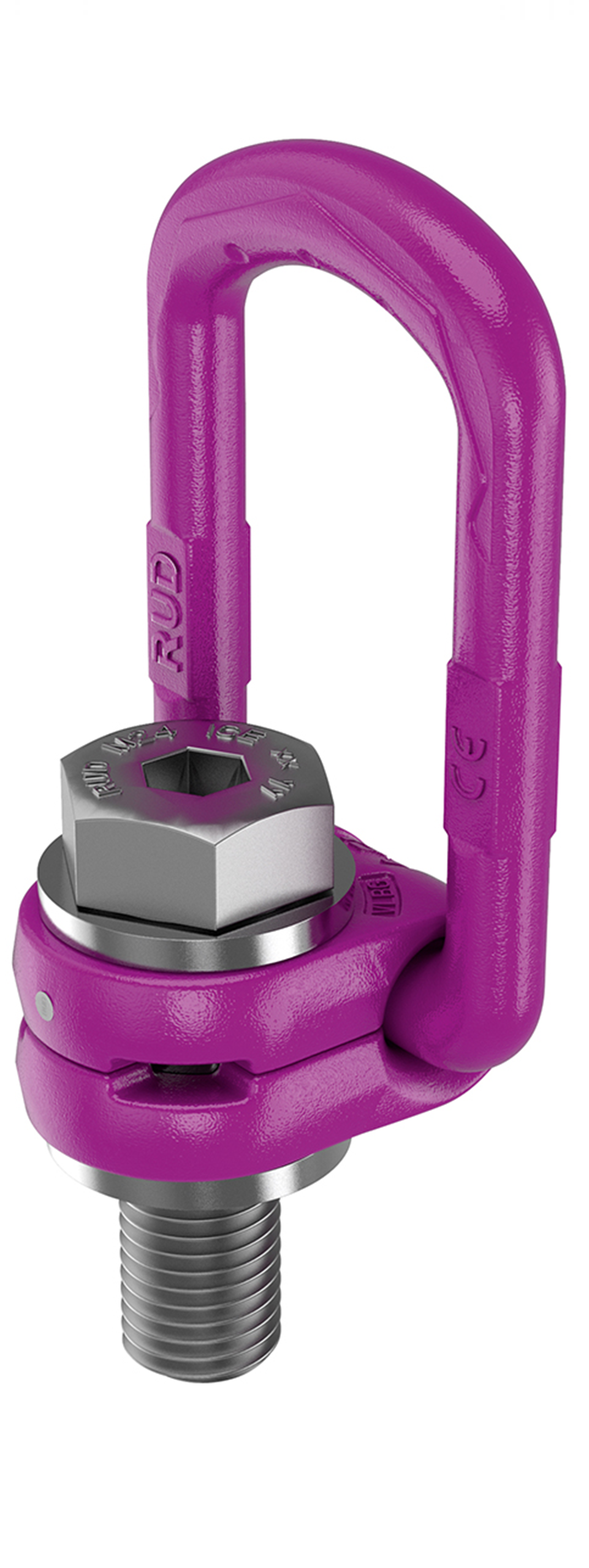
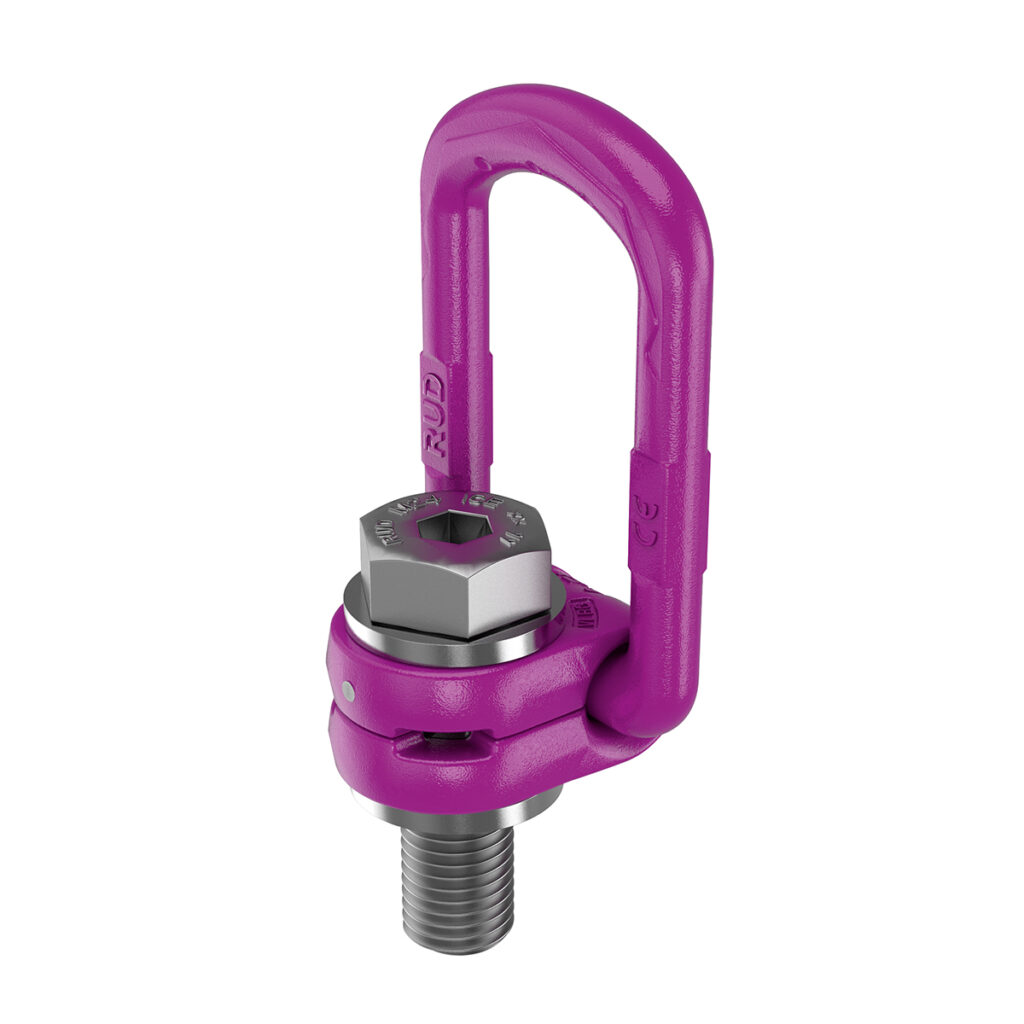
RUD VLBG-PLUS
- 630 kg – 20,000 kg working load limits
- Full WLL in all directions
- 360° rotation and 180° pivoting
- Wide range of metric thread sizes
- Captive but exchangeable ICE-Bolt
- Noise-reducing clamping spring keeps ring in position
- Suitable for complex lifting operations
- DNV certified from M30
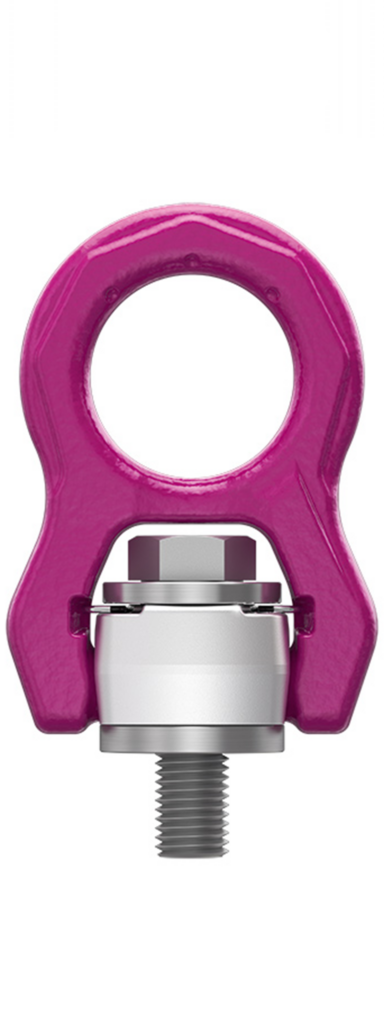
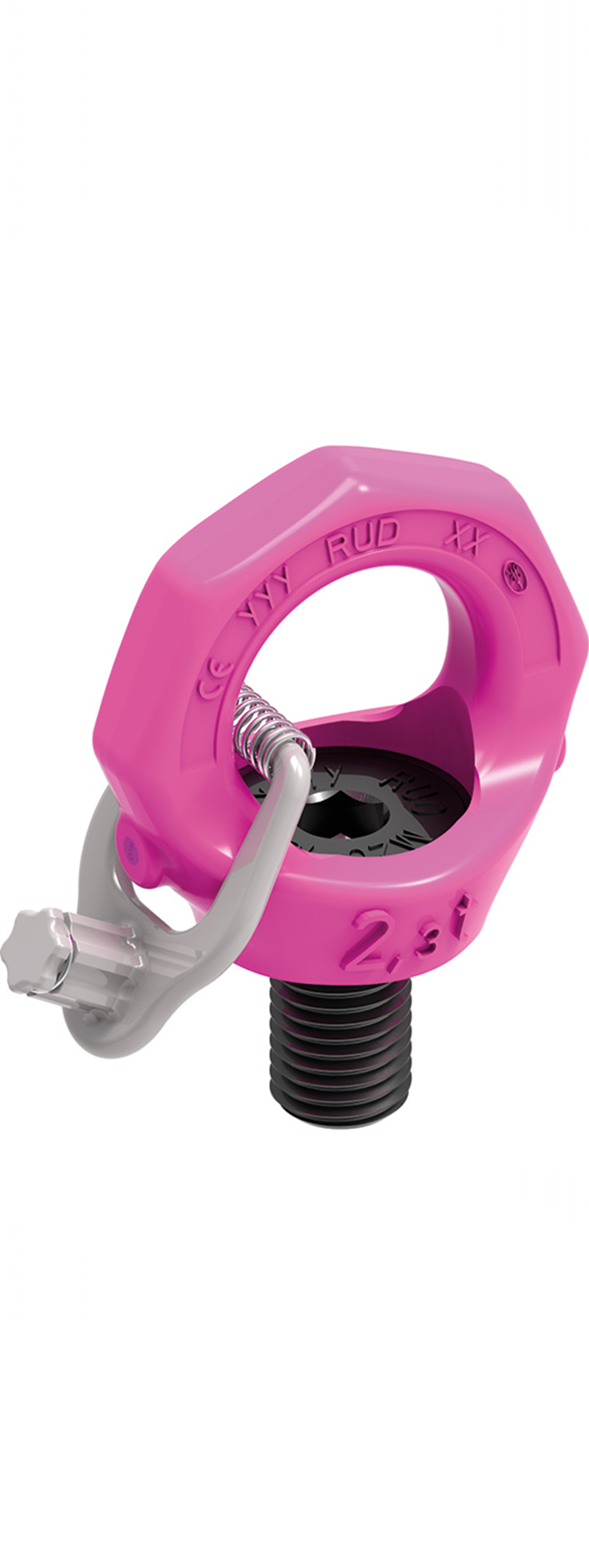
RUD ACP-TURNADO
- 700 kg – 32,500 kg working load limits
- Automatically aligns with the direction of load
- Helps prevent dangerous transverse loads
- Designed to eliminate kinking during lifting
- Innovative spring mechanism
- Swivel joint in the lifting ring axis
- Wear indicators for checking discard criteria
- Integrated RFID transponder for easier inspections
- Safety factors of 4:1 and 5:1
- Available with metric threads from M8 to M100
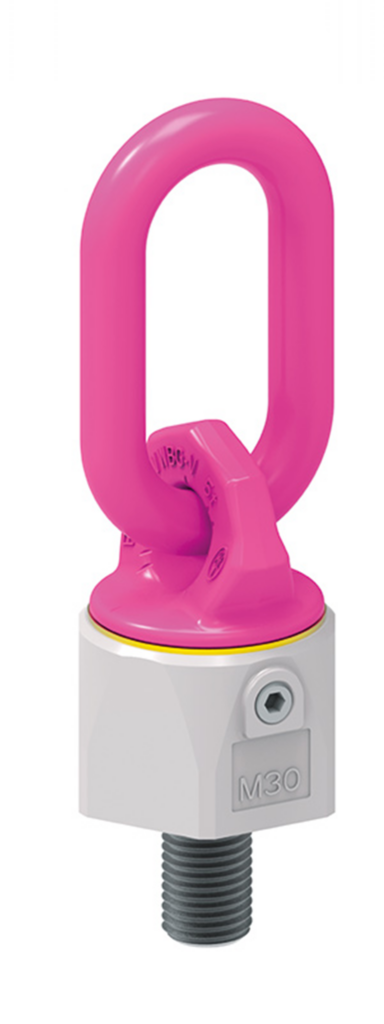
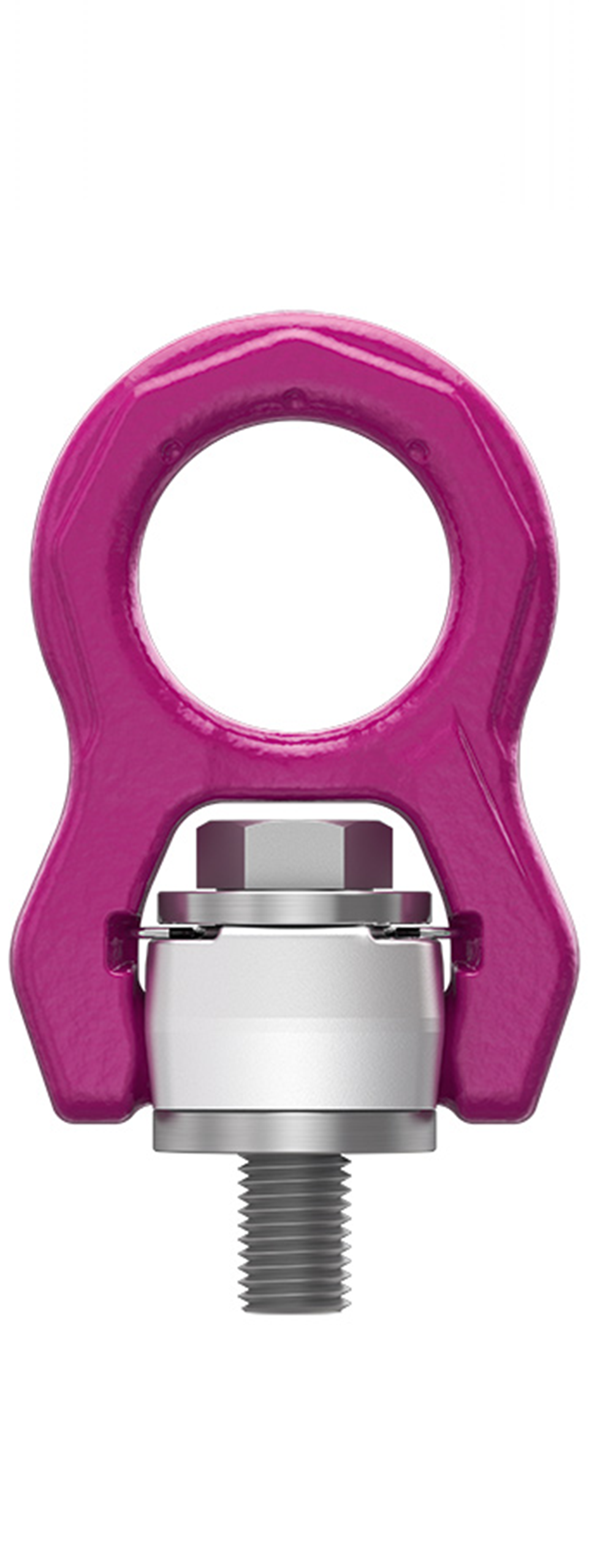
RUD VWBG-V Load Ring
- 300 kg – 5,000 kg working load limits
- Suitable for rotating and turning loads
- 90° rotation to the bolt-on direction under rated WLL
- Clear indication of minimum WLL for all loading directions
- Variable bolt lengths for threaded and through holes
- Non-removable special bolt
- RUD bolts with Corrud-DT corrosion protection
- Large clearance between mounting surface and load
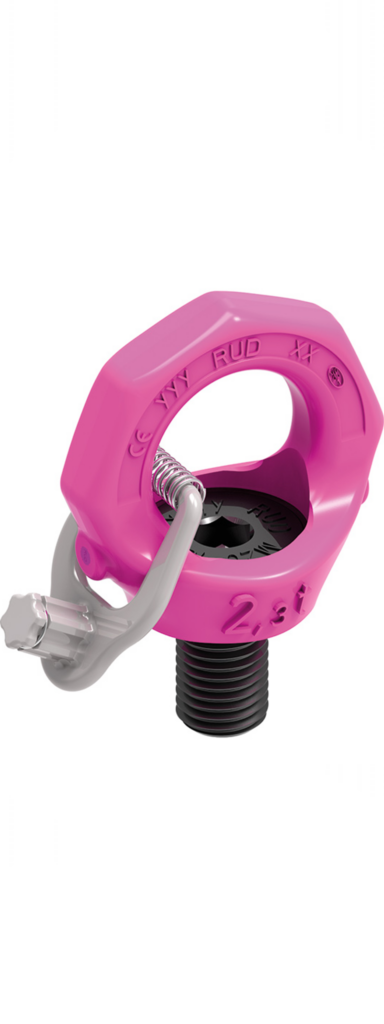
RUD VRS-F STARPOINT
- 300 kg – 7,000 kg working load limits
- Metric fine thread design
- Loadable in all directions
- Non-detachable RUD bolt
- Variable bolt lengths available
- Suitable for threaded and through holes
- Comprehensive range of thread sizes
- RUD BLUE-ID RFID system for testing and documentation
- 100% electromagnetic crack testing of load-bearing elements
Download technical information
Not sure which chain hoist you need?
Stock and delivery
CAN'T FIND WHAT
YOU'RE LOOKING FOR?
What is a Lifting Point?
Different lifting points are designed for different applications. Fixed lifting points provide a straightforward connection where the lifting direction is known, while swivel and rotating lifting points can move or align with the direction of loading. Products such as the RUD VLBG-PLUS are designed to provide their working load limit in all directions, with a suspension ring that can pivot through 180°.
The correct lifting point must be selected according to factors including the weight of the load, working load limit, lifting direction, mounting arrangement and the construction of the load. The lifting point must also be correctly installed and inspected before use.
Carl Stahl Evita supplies a range of lifting points from established manufacturers, including solutions for general lifting applications through to demanding industrial requirements.
Choosing the Right Chain Hoist
Working Load Limit
Lifting Direction
Mounting & Attachment
Load & Application
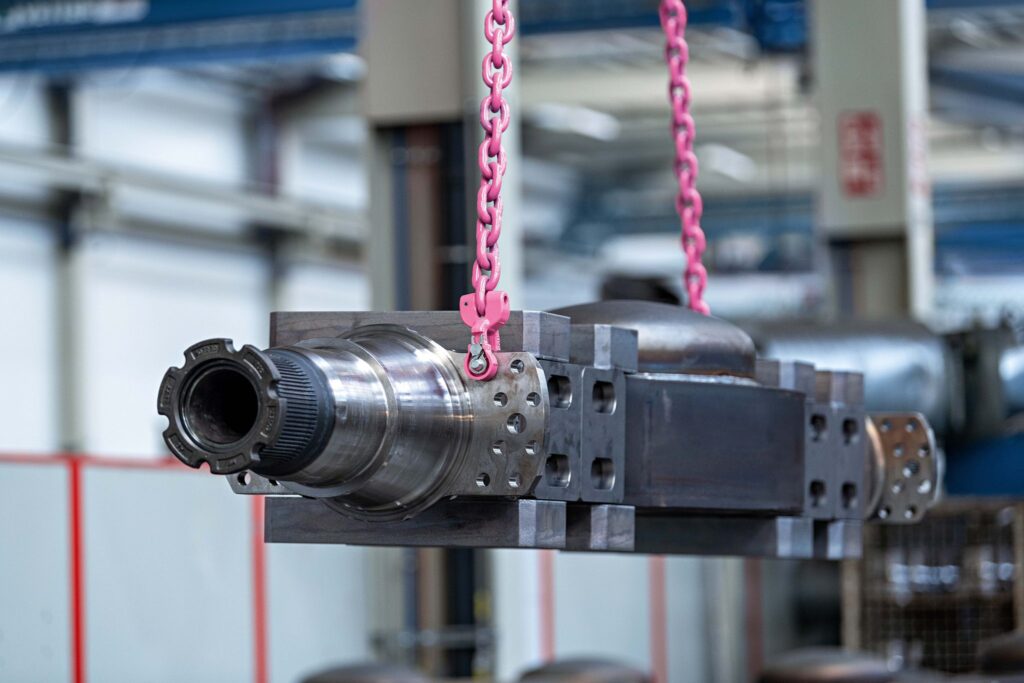
Different Lifting Points for Different Applications
Boltable lifting points are installed into suitable threaded or through-hole connections and provide a removable lifting attachment. They include a wide range of swivel and rotating designs, such as the VLBG-PLUS, ACP-TURNADO and VWBG-V.
Weldable lifting points are permanently attached to suitable structures or loads, providing a dedicated lifting connection where bolting isn't practical or appropriate. RUD's range includes several weldable designs for different load configurations and applications.
Rigid lifting points are designed for applications where the pulling direction is defined, while rotating and swivel lifting points can align with the direction of pull and are particularly useful for multi-leg lifting arrangements.
The right design depends on the load, mounting method, lifting configuration and direction of loading. Our team can help you identify a suitable lifting point for your application.
Typical Uses for Lifting Points
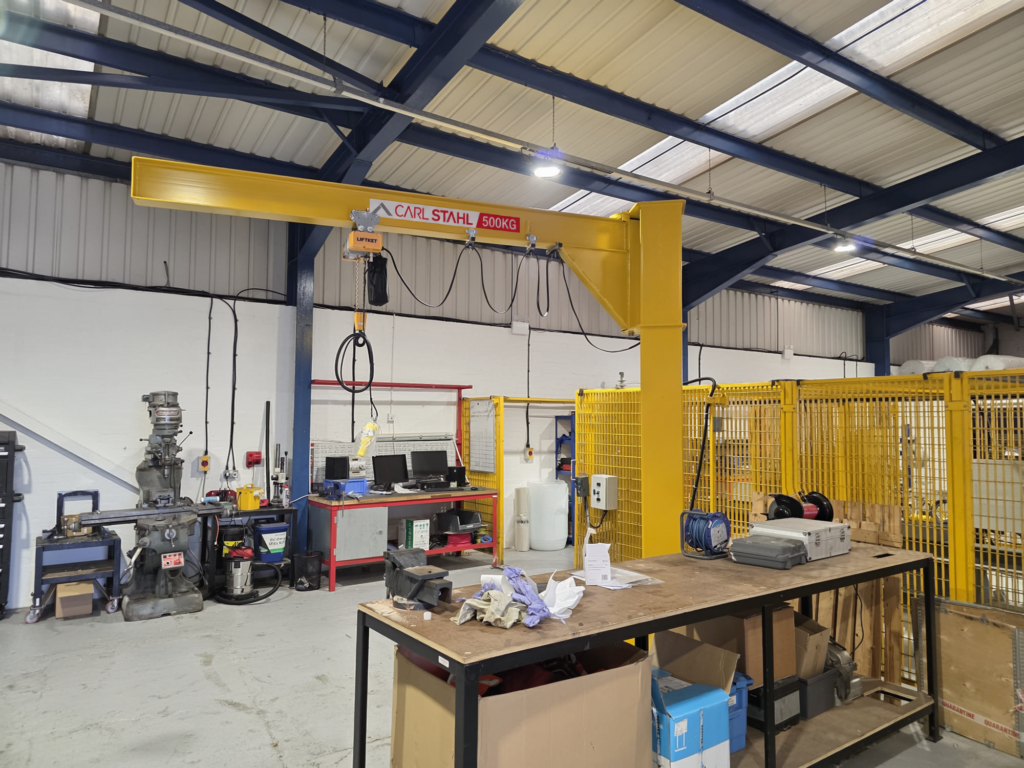
Manufacturing

Construction
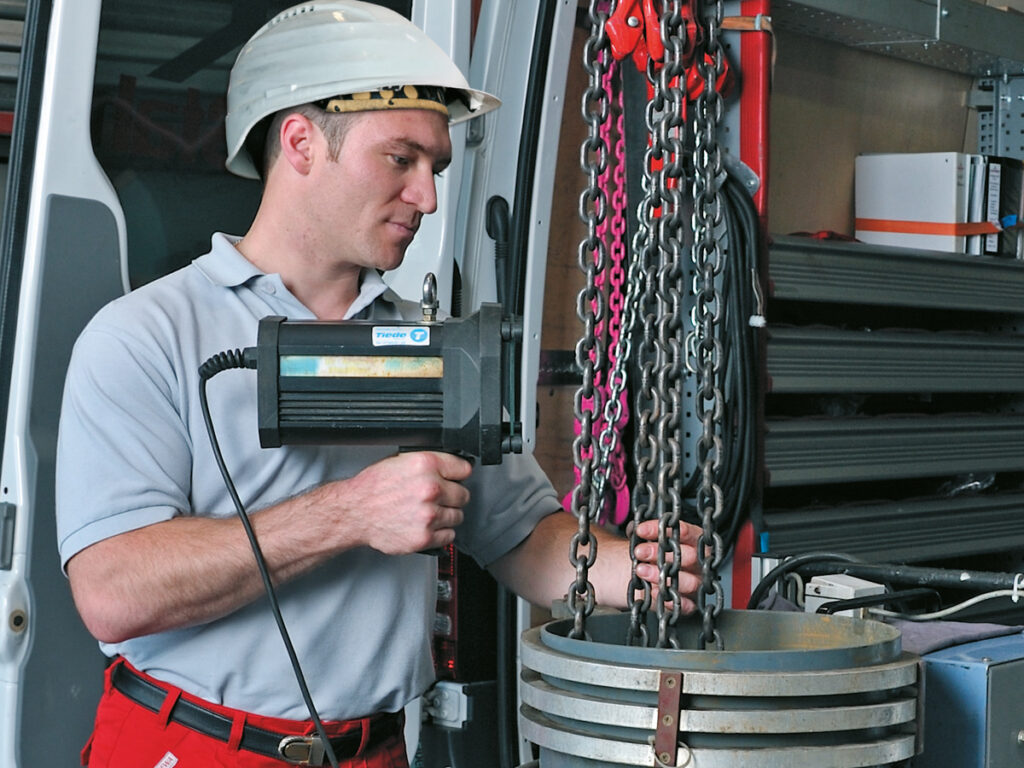
Maintenance
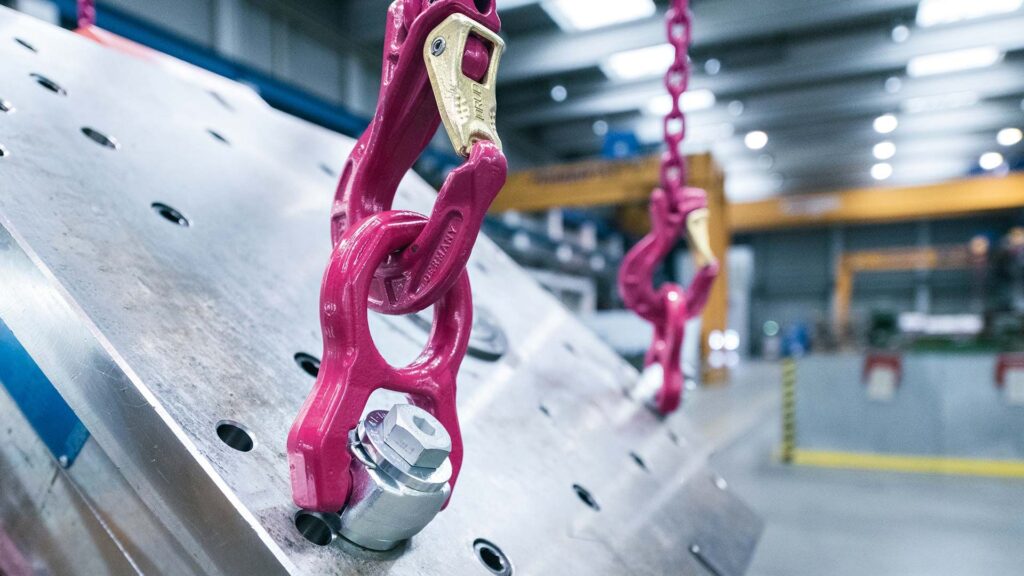
Material Handling
Frequently Asked Questions
1. What is a lifting point?
A lifting point is a purpose-designed attachment that provides a secure connection between a load and lifting equipment such as chains, slings and hooks. Lifting points can be bolted, welded or otherwise attached depending on the design and application.
2. What types of lifting points are available?
Lifting points are available in several designs, including bolted, weld-on, fixed, swivel and rotating lifting points. The appropriate type depends on how the point will be attached and the direction in which the load will be lifted.
3. How do I choose the right lifting point?
Consider the weight of the load, required WLL, lifting direction, number of lifting points, mounting arrangement and load configuration. The operating environment and whether the load needs to be rotated or turned should also be considered.
4. What is the working load limit of a lifting point?
The WLL is the maximum load that a lifting point is rated to lift under the specified conditions of use. Available capacities vary between products, so the manufacturer’s stated WLL and loading conditions must always be followed.
5. What is the difference between a fixed and swivel lifting point?
A fixed lifting point provides a stationary connection, while a swivel or rotating lifting point can move with the direction of the applied load. Swivel designs can therefore be advantageous where the lifting direction changes or multi-directional loading is required. RUD’s VLBG-PLUS, for example, is designed for full WLL in all directions.
6. Can lifting points be used for turning or rotating loads?
Yes, suitable lifting points can be used for turning and rotating loads, provided the specific product is designed and rated for the operation. Certain RUD lifting points are specifically designed for applications involving tilting and turning.
7. Do lifting points need to be inspected?
Yes. Lifting equipment must be appropriately inspected and, where applicable, thoroughly examined under LOLER. The required examination regime depends on the equipment, its use and the risks involved. Thorough examination is required at appropriate stages including after installation where safety depends on installation conditions, and following certain exceptional circumstances.
8. Can Carl Stahl Evita help me choose the right lifting point?
Yes. Carl Stahl Evita can help you identify a suitable lifting point based on the load, WLL, mounting arrangement, lifting direction and application. If you require a particular capacity, thread size or specialist configuration, contact our team for advice.